Concealed Trickle Vents: How Timberlook Maintains Heritage Aesthetics While Meeting Building Regulations
Building regulations don’t always make it easy to get heritage window replacements. While Approved Document F requires background ventilation in all replacement windows, the reality is that standard trickle vents can completely compromise the aesthetic of heritage style windows.
At Timberlook, we believe you shouldn’t have to make this compromise. Our timber-effect windows combine concealed trickle vents and authentic heritage design that complements period properties perfectly.
In this guide, we’ll discuss the need for ventilation, the requirements outlined in building regulations, and how you can achieve beautiful heritage aesthetics with trickle ventilation.
What are building regulations and why do they matter?
Building regulations are legal requirements that ensure all construction and renovation work meets minimum standards for safety, health, and energy efficiency. In England and Wales, these regulations are set out in a series of ‘Approved Documents’, each covering different aspects of building work.
For window installations, Approved Document F (often referred to as Document F or Part F) is particularly important. This document sets out the ventilation standards that must be met in both new homes and existing properties when new replacement windows are installed.
The regulations exist to protect occupants from poor air quality, excess moisture, and the associated health risks that come with inadequate ventilation.
Understanding Document F and ventilation requirements
Approved Document F of the Building Regulations requires that habitable rooms have adequate means of ventilation. This typically involves three types:
- Background ventilation – continuous, controllable ventilation (this is where trickle vents come in)
- Purge ventilation – rapid ventilation through openable windows
- Extract ventilation – mechanical ventilation in kitchens and bathrooms (continuous mechanical extract ventilation)
For replacement windows, background ventilation is the primary concern. The regulations state that background ventilators must provide a continuous flow of fresh air to maintain indoor air quality, reduce the risk of condensation, and prevent the build-up of stale air, particularly during winter months when windows are less likely to be opened.
Do all new windows need trickle vents?
Yes, under Approved Document F, all replacement windows in habitable rooms must provide background ventilation, typically through trickle vents, unless alternative ventilation methods are in place.
What are trickle vents?
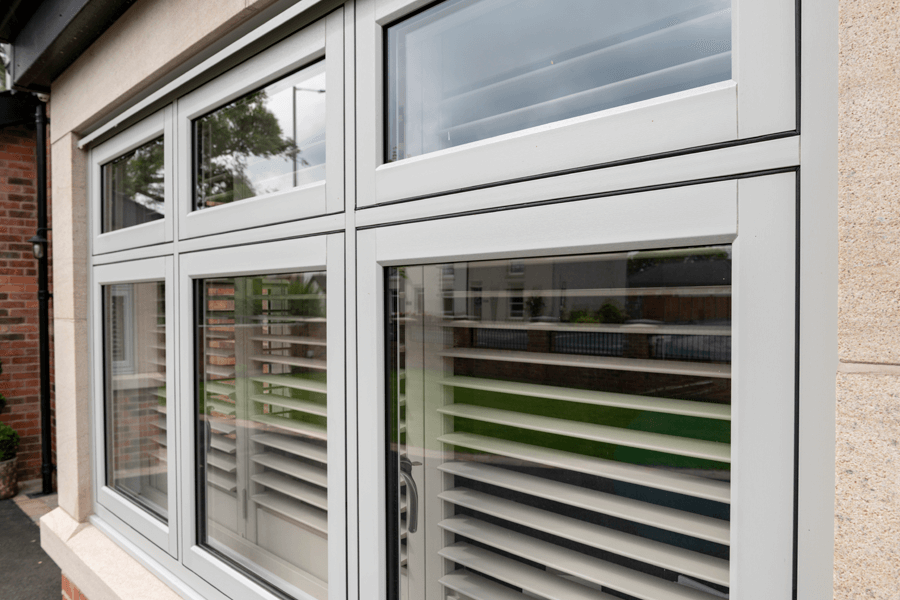
Trickle vents (also known as background ventilators or trickle ventilators) are small, controllable openings built into the top of the window frame. They allow a steady flow of fresh air into your home without the need to open windows fully, providing background ventilation that meets Part F requirements.
The size of the vents is calculated based on the glazed area of the room, ensuring adequate air circulation while minimising heat loss and noise intrusion.
How do I control trickle vents?
Most trickle vents feature a simple sliding control that allows you to open, close, or adjust the airflow as needed, giving you flexibility throughout the year.
Why is ventilation important in modern homes?
Modern homes are built to be far more airtight than older properties, which improves energy efficiency but can lead to ventilation challenges if not properly addressed. Without adequate air flow, several problems can occur:
- Poor indoor air quality – build-up of pollutants, allergens, and CO2
- Excess moisture – leading to condensation, mould growth, and damage to lime render or timber features
- Health issues – respiratory problems and allergies exacerbated by stale air
Even when replacing old windows in historic buildings, the new replacement windows must meet current ventilation standards, regardless of whether the original wooden windows had trickle vents.
Can trickle vents be added to existing windows?
While possible, retrofitting trickle vents to an existing window can be challenging and may affect the frame’s integrity. Replacement windows with integrated vents are usually the better solution.
The heritage challenge: visible vents vs authentic aesthetics
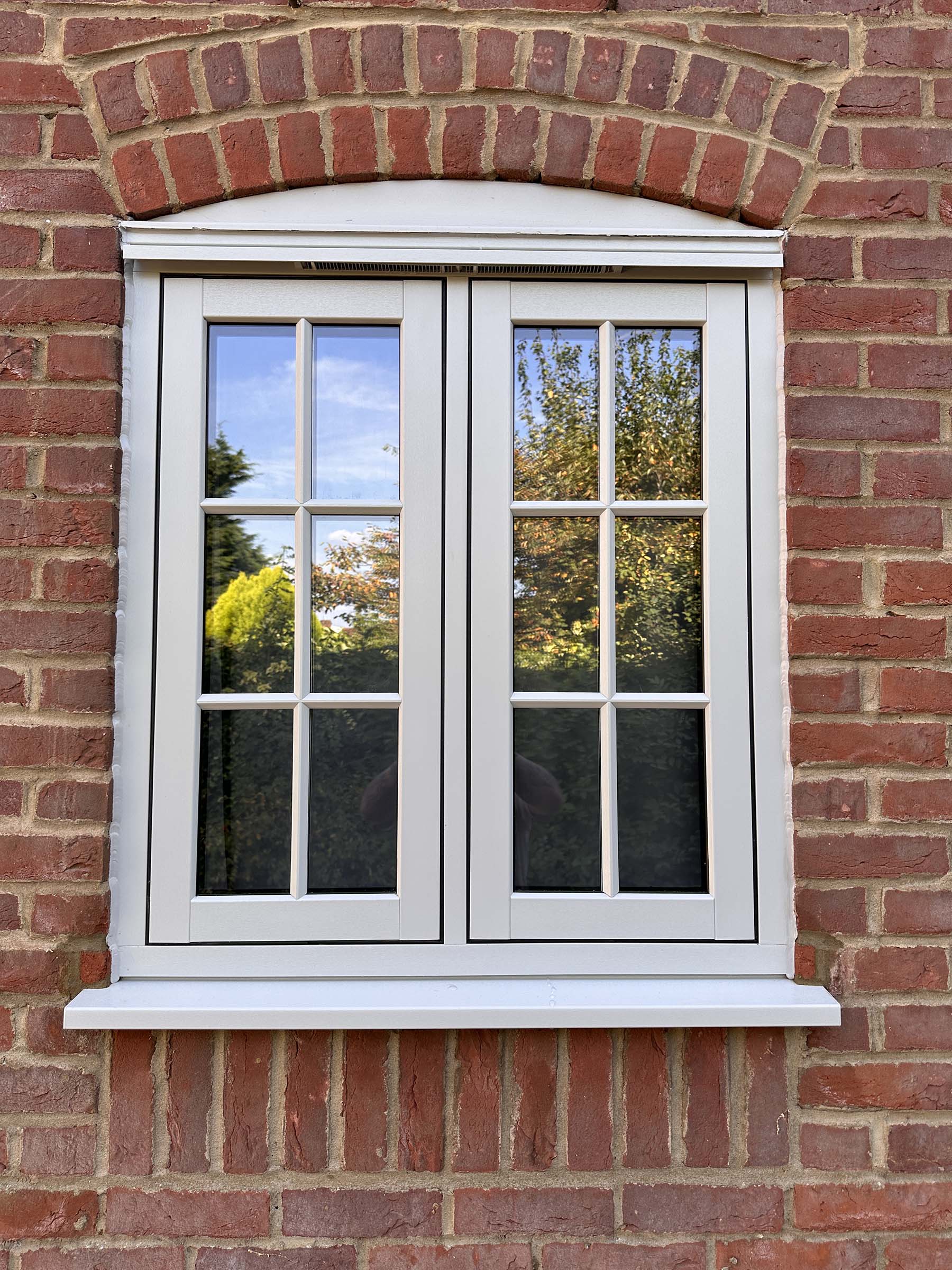
For homeowners in conservation areas or with period properties, standard trickle vents present an aesthetic problem. Traditional 19th-century timber windows didn’t feature trickle ventilation and adding trickle ventilation slots at the top of the window can detract significantly from the overall look and authenticity of the frame design.
Benefits of Timberlook’s concealed trickle vents
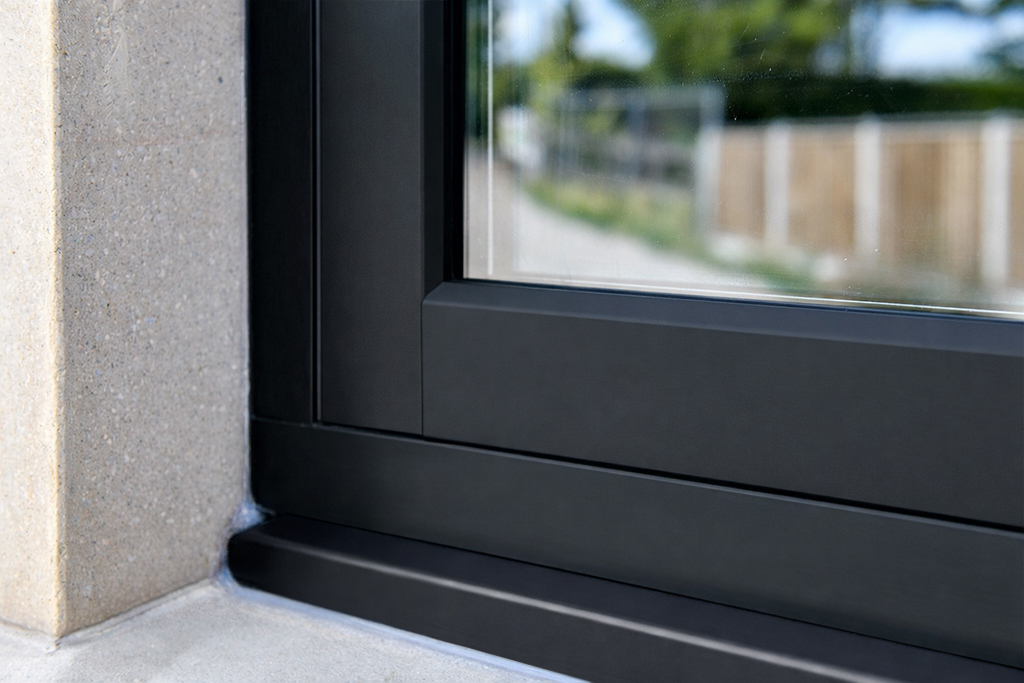
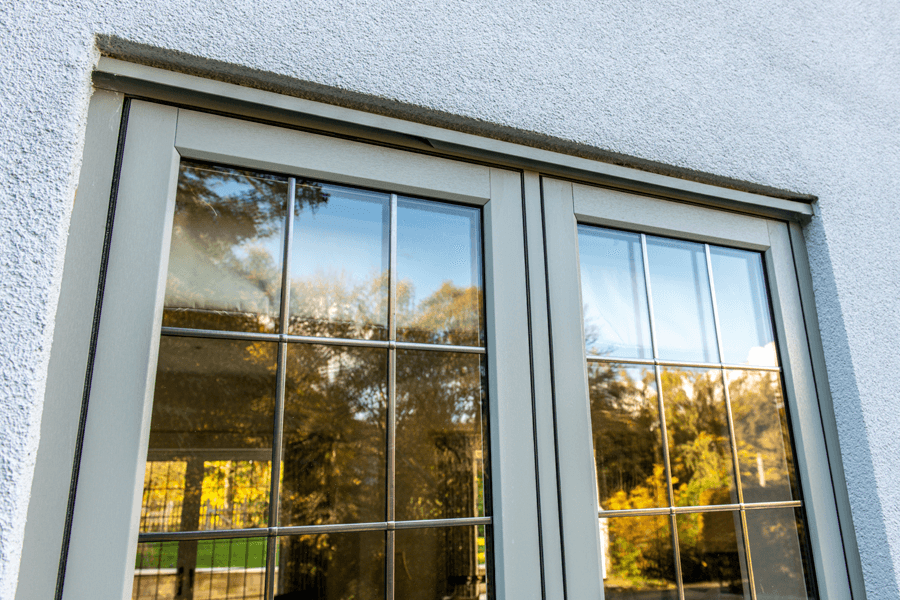
At Timberlook, we’ve designed a clever system which allows the trickle vent to be hidden behind a large head drip on the window frame. This means that the trickle vents are hidden from view, but are still able to provide background ventilation.
This solution provides regulatory compliance without compromising on aesthetics.
Timberlook windows meet Approved Document F of the Building Regulations while preserving the overall look of heritage window designs.
The concealed design is ideal for conservation areas, offering a solution that respects both new rules and traditional aesthetics.
Timberlook: heritage style with modern performance
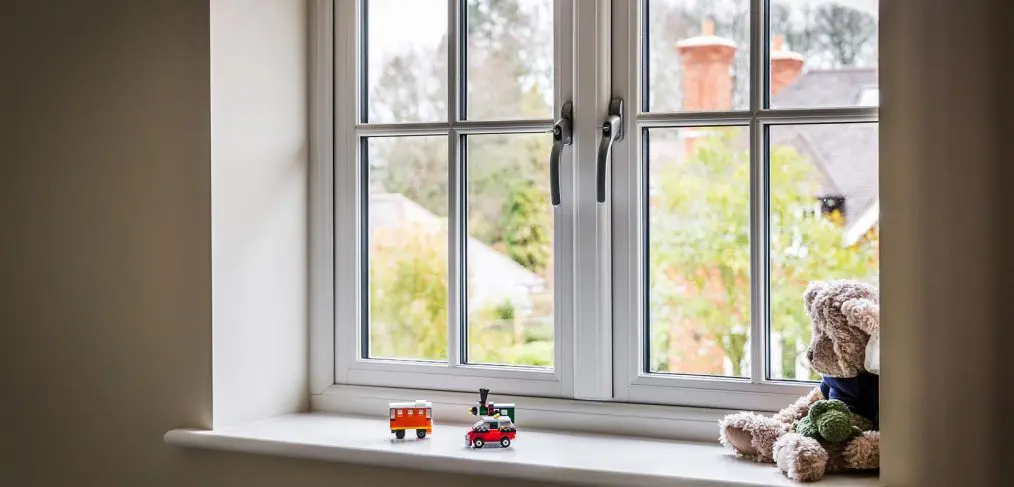
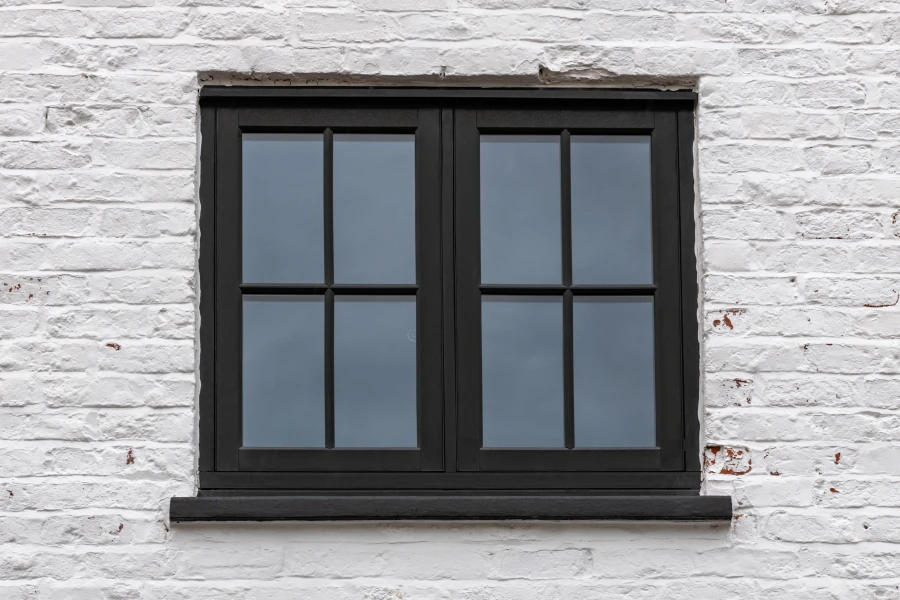
At Timberlook, we specialise in heritage-style uPVC windows and doors designed to replicate the look of traditional 19th-century timber windows. Using a combination of Timberweld technology (to replicate authentic timber joinery), woodgrain finishes and heritage proportions, our Timberlook windows are some of the most authentic on the market.
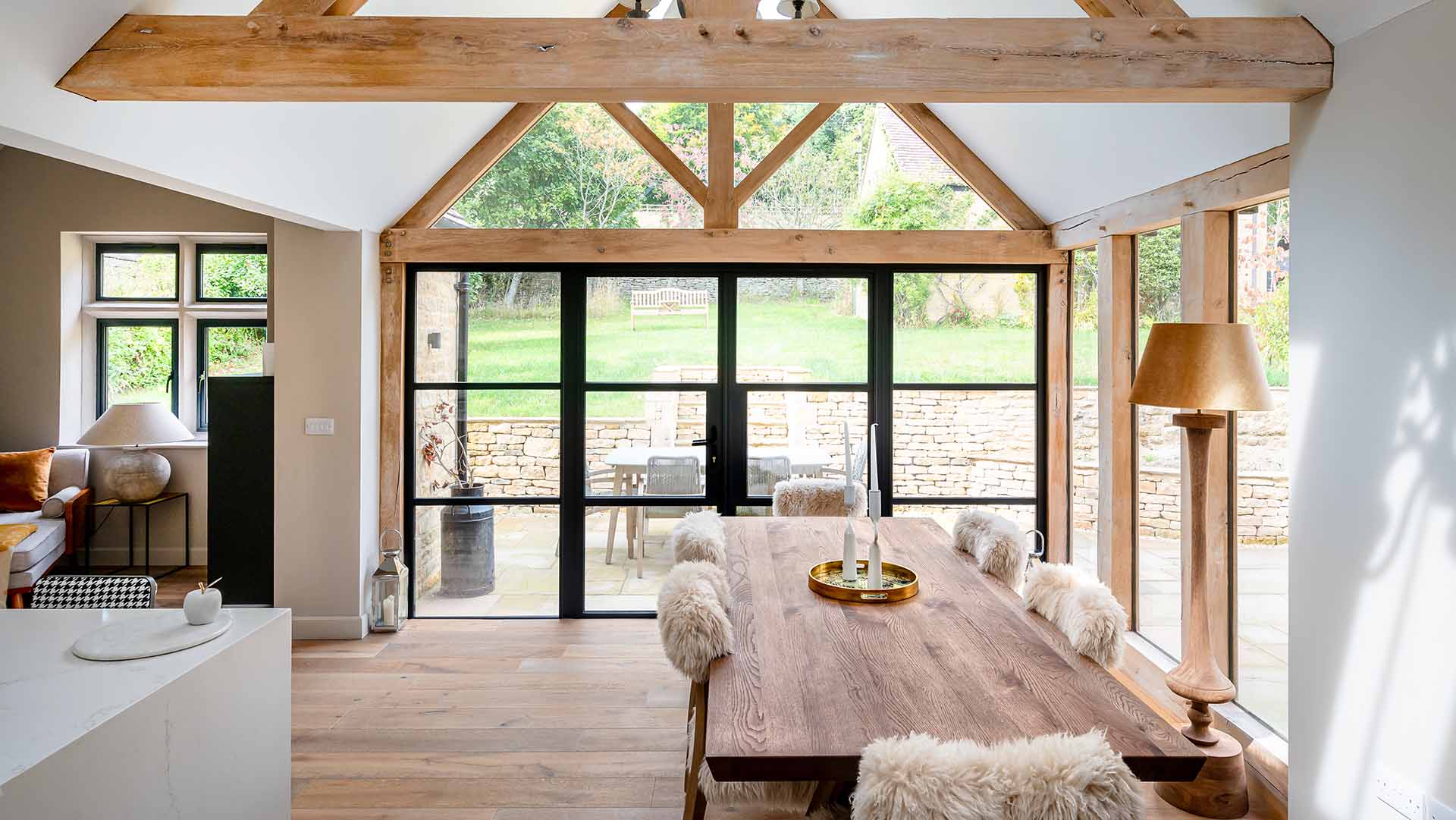
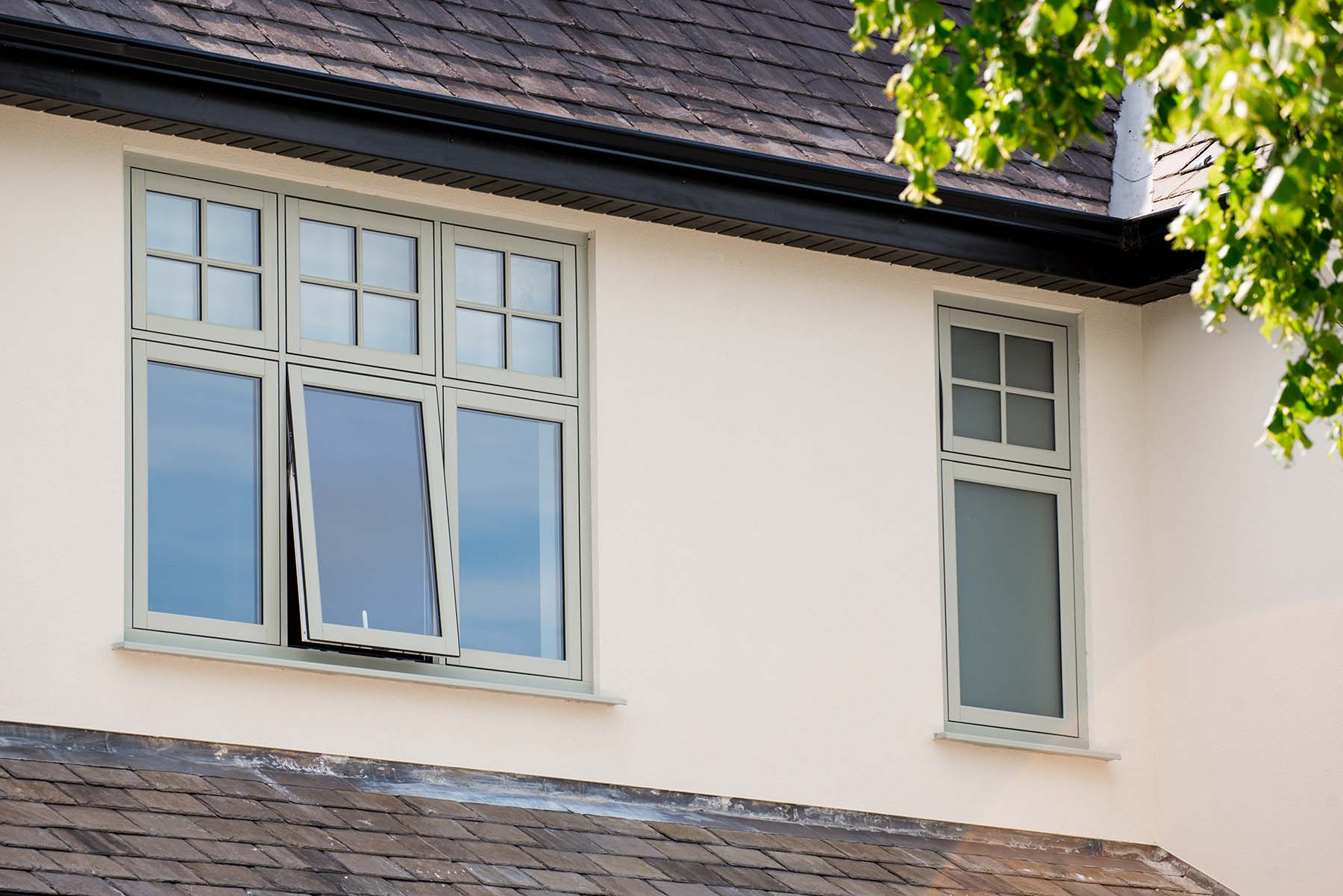
Our range includes flush sash windows and single and double doorsets. All our products are available in a huge range of standard, dual-colour, and woodgrain effects—including popular finishes like Anthracite Grey and Irish Oak.
Our timber-effect windows have been successfully installed in conservation areas and have received approval from planning officers for use in sensitive heritage contexts. Whether you want to maintain the character of a period property, we offer conservation-friendly windows that balance authenticity with modern performance.
Contact Timberlook today to find an installer in your local area
Ready to explore how our timber-effect windows can transform your home with beautiful, regulation-compliant heritage aesthetics?
Whether you’re replacing old windows in a conservation area or updating a period property, we have the expertise and products to help. Find a Timberlook installer in your local area, or contact us to learn more about our heritage windows and doors.
You can fill in our online contact form, call us on 01253 888 222 or email sales@timberlook.com .