Winter Window Maintenance: Care Guide for uPVC Windows
As winter approaches, UK homeowners often overlook window maintenance, focusing only on boilers and insulation. However, maintaining your windows is crucial for warmth, lower energy bills, and damage prevention.
This guide covers essential winter care for your uPVC windows to ensure comfort and energy efficiency. We will also discuss signs that your uPVC windows need replacement, and explore how modern, stylish options (like wood-effect uPVC systems) offer superior weather performance.
Wood-effect uPVC systems like our Timberlook range offer the perfect blend of heritage-inspired style and modern engineering to keep your home cosy throughout the harshest UK winter.
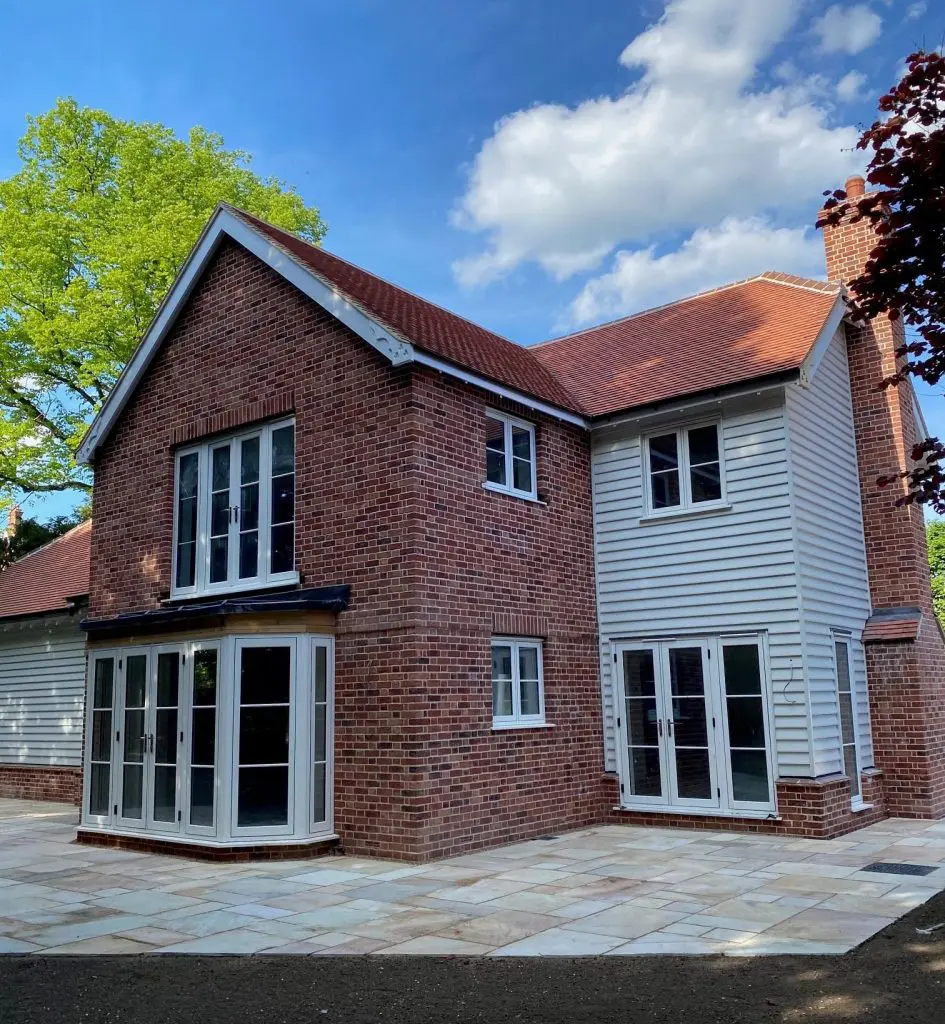
Why winter window maintenance matters
Winter in the UK brings relentless challenges for your windows.
Rainy weather conditions
Persistent rainfall puts your window seals to the ultimate test, and the UK’s rainy winter season will quickly reveal any leaks in your existing windows.
Condensation & excess moisture
During the winter months, condensation forms more readily as warmer air inside your home meets the cold surface of window panes. Without proper attention, excess moisture can lead to water accumulation, mould growth, and damage to window frames.
Energy efficiency
Energy efficiency also becomes particularly critical during this time of year. Even minor draughts or gaps can result in significant heat loss, forcing your heating system to work harder and driving up energy costs.
The combination of persistent rainfall, plummeting temperatures, and dramatic temperature differences between the inside and outside of your windows creates the perfect storm for leaks, draughts and poor thermal efficiency. Old, outdated windows that might function well enough in the summer will quickly become a major problem in the winter.
A proactive approach to winter window maintenance helps you identify issues early, extend the lifespan of your windows, and maintain a comfortable, energy-efficient home throughout the colder months.
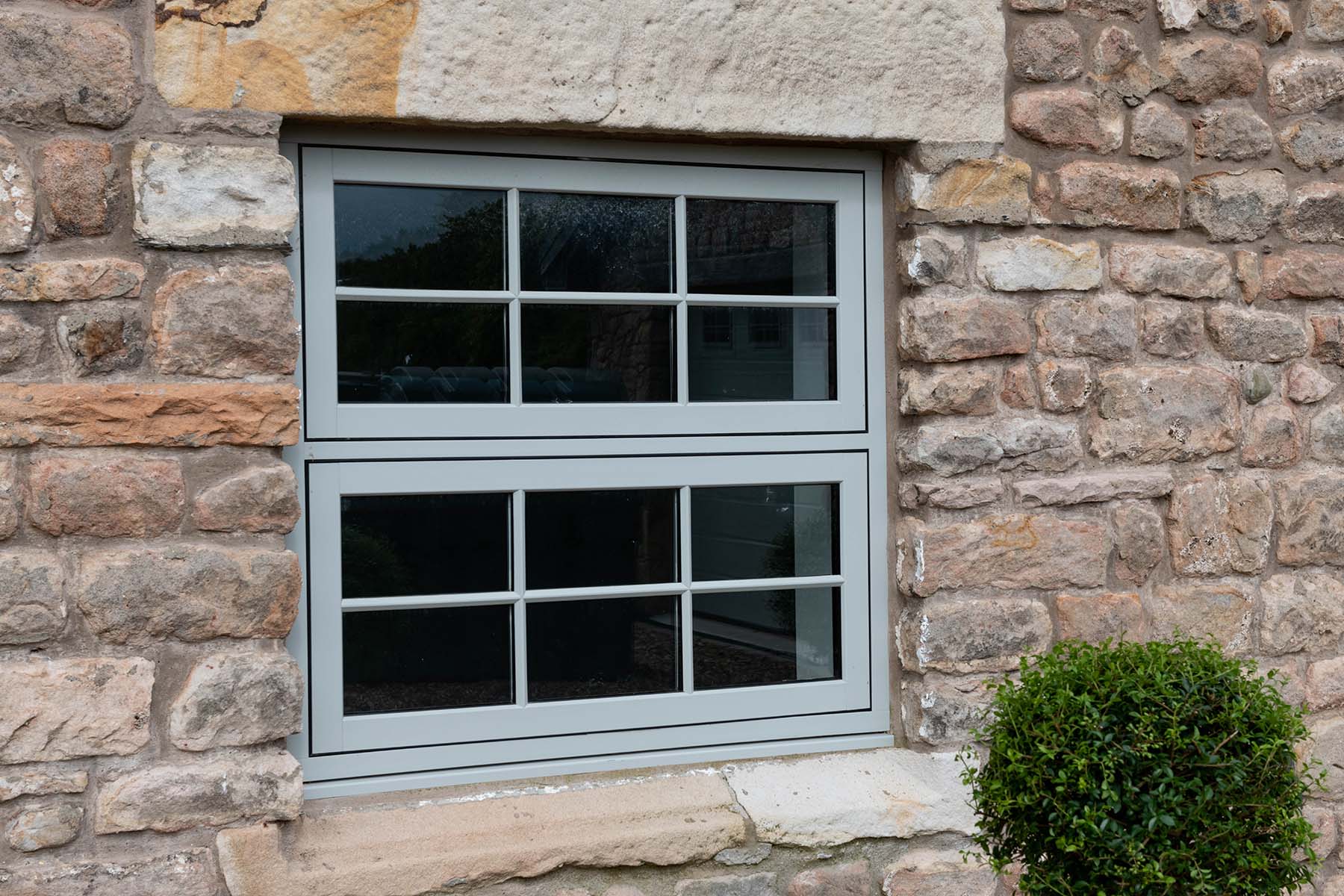
Winter window maintenance for uPVC
For most uPVC windows, winter maintenance is straightforward.
Basic cleaning: Wipe down frames with warm, soapy water and a soft cloth. Avoid abrasive cleaners that could scratch the surface.
Check and clean drainage holes: These small openings at the bottom of the frame allow water to drain away. Clear any debris to prevent water accumulation.
Inspect seals and gaskets: Run your hand around the window seal to check for draughts. Look for any visible cracks or deterioration in the rubber seals.
Clean glass properly: Use a standard glass cleaner to remove condensation residue and maintain visibility during darker winter days.
This simple routine is typically all that’s needed to keep uPVC windows in excellent condition.
How often should I maintain my uPVC windows in winter?
A thorough check and clean once or twice during the winter months is typically sufficient for uPVC windows. Simply clean frames, clear drainage holes, check seals, and lubricate moving parts as needed.
Why does condensation form on my windows in winter?
Window condensation occurs when warm, moisture-laden air inside your home meets the cold surface of window glass. Improving ventilation with extraction fans or trickle vents, and reducing moisture levels through dehumidifiers can help manage this issue.
Why are cold spots around my windows a problem?
Cold spots are a strong sign of air leaks or inefficient windows that are losing heat. This makes interiors uncomfortable, but also indicates that your windows may need replacing altogether.
The problem with older uPVC windows
While uPVC (unplasticised polyvinyl chloride) is inherently a thermally efficient material, its performance severely degrades with decades of use.
Over time, sun exposure and weather fluctuations can cause the seals around the double-glazed units to fail, leading to the escape of the insulating gas and allowing moisture in, which can cause condensation between the panes.
Moreover, older uPVC frames often have less advanced internal chamber designs compared to modern windows. Consequently, outdated uPVC windows fall significantly short of the superior thermal efficiency and insulation offered by current window technology.
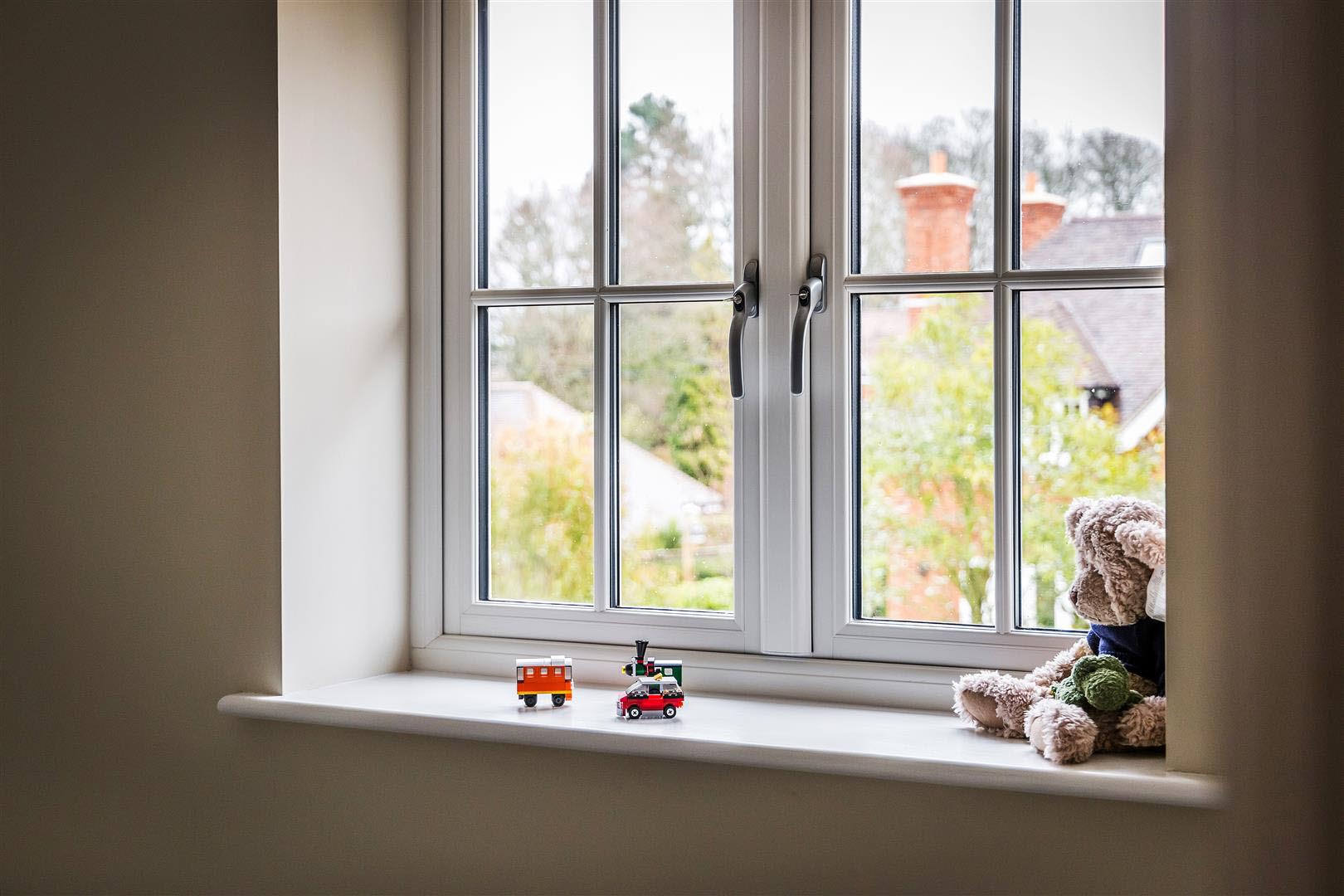
When it’s time to replace: recognising the signs
Even with the best maintenance, windows don’t last forever. If you’re experiencing persistent problems despite your care efforts, it may be time to consider new windows rather than spend time and money continuing to patch up old ones.
Here are the key warning signs that replacement should be on your radar:
Persistent draughts
If you can feel cold air coming through even when windows are closed and locked, the seals have likely failed.
Condensation between panes of glass
Internal condensation (between double glazing layers) indicates seal failure and means your windows have lost their insulating properties.
Difficulty opening or closing
Windows that stick, jam, or won’t lock properly are not only frustrating but also pose security and ventilation concerns.
Visible damage
Cracks, warping, or discolouration that can’t be cleaned away signal that the material has degraded.
Rising energy bills
If your heating costs have increased noticeably and you’ve ruled out other causes, draughty windows could be the culprit.
Excessive noise
Modern double glazing provides excellent sound insulation. If traffic noise seems louder than it should, your windows aren’t performing as they should.
Replacing underperforming windows is one of the most effective home improvements you can make. Replacement windows will not only massively improve the energy efficiency of your property, but can also completely transform your property’s kerb appeal.
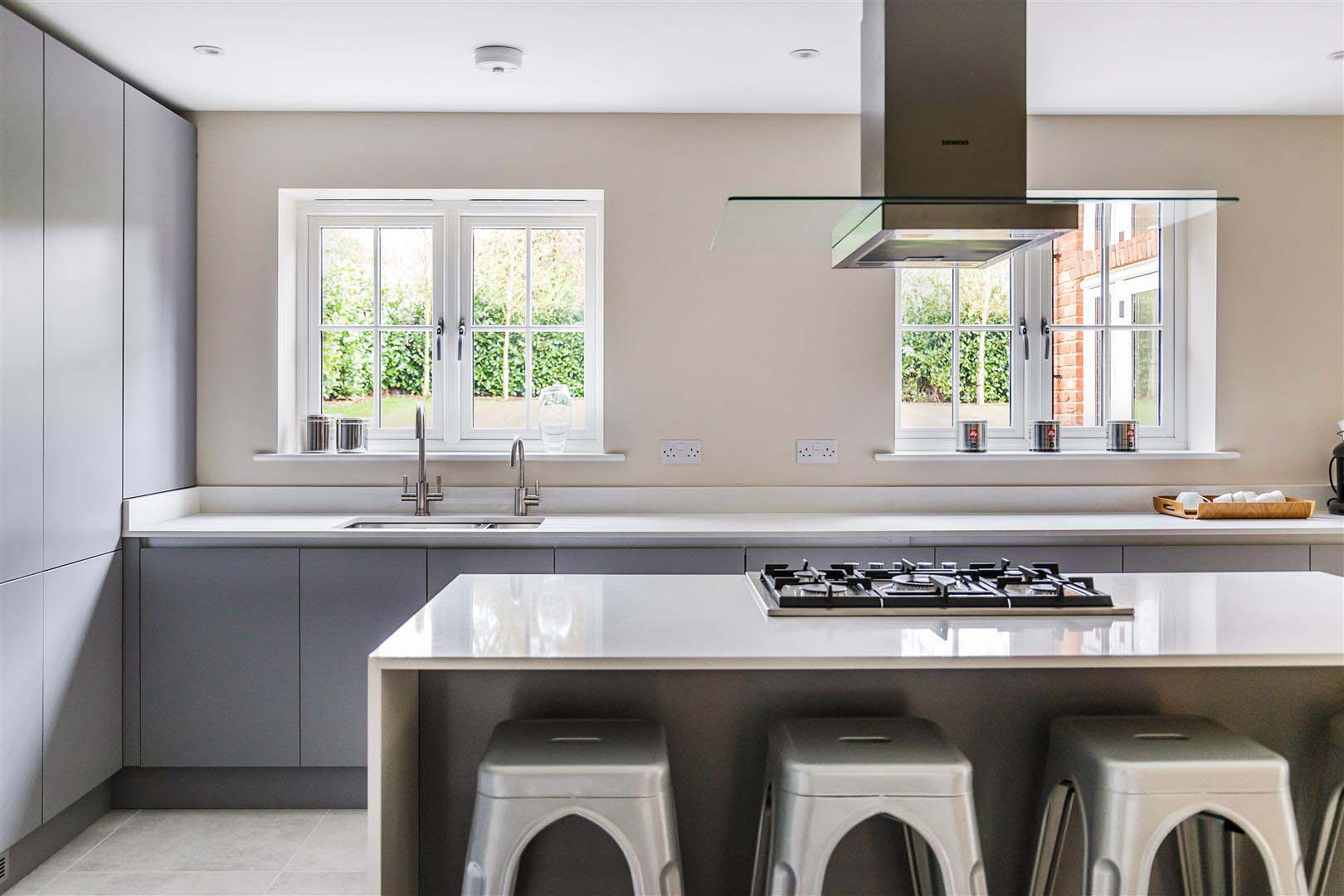
Timberlook windows: heritage aesthetics meet modern performance
When the perfect time comes to invest in new windows, choosing the right replacement is crucial—especially if you live in a period property or conservation area where maintaining the character of your home is essential.
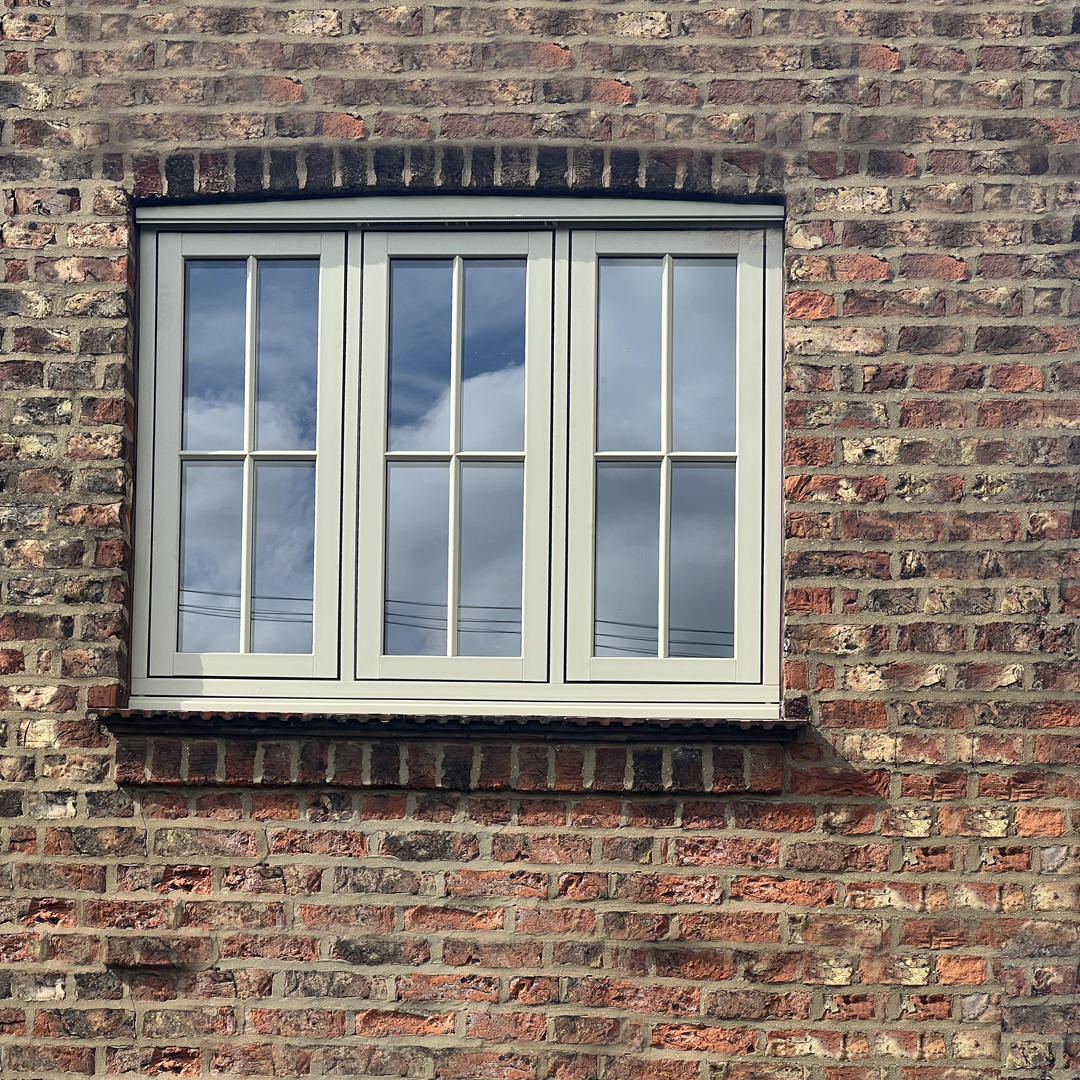
This is where Timberlook wood-effect windows offer the ideal solution. With the look of elegant, timeless timber windows but made with modern uPVC our Timberlook windows perfectly blend the historic design and modern technology.
So what makes Timberlook so special?
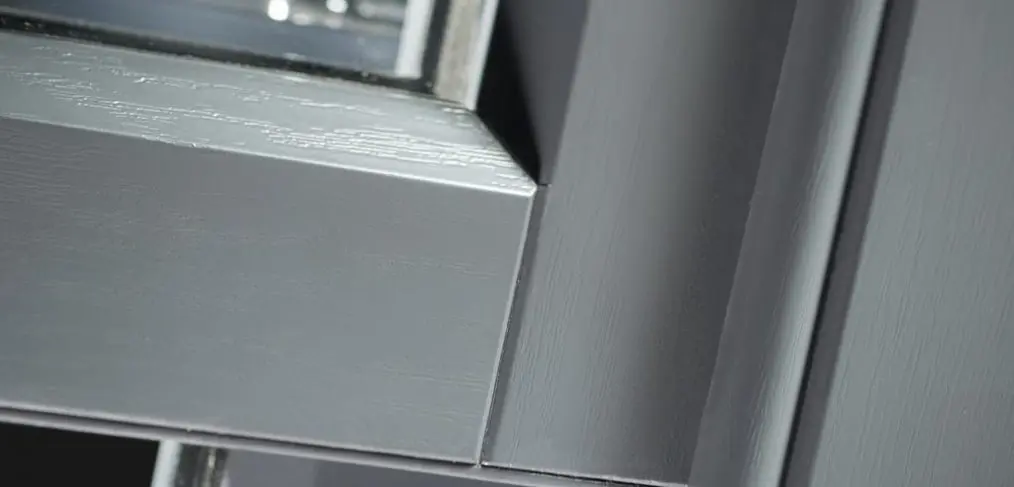
No diagonal welds
Most uPVC windows are easy to spot by the diagonal weld in the corners of the frame. We eliminate this by using Timberweld technology, creating authentic mortise and tenon joints that look like premium timber joinery.
Concealed trickle vents
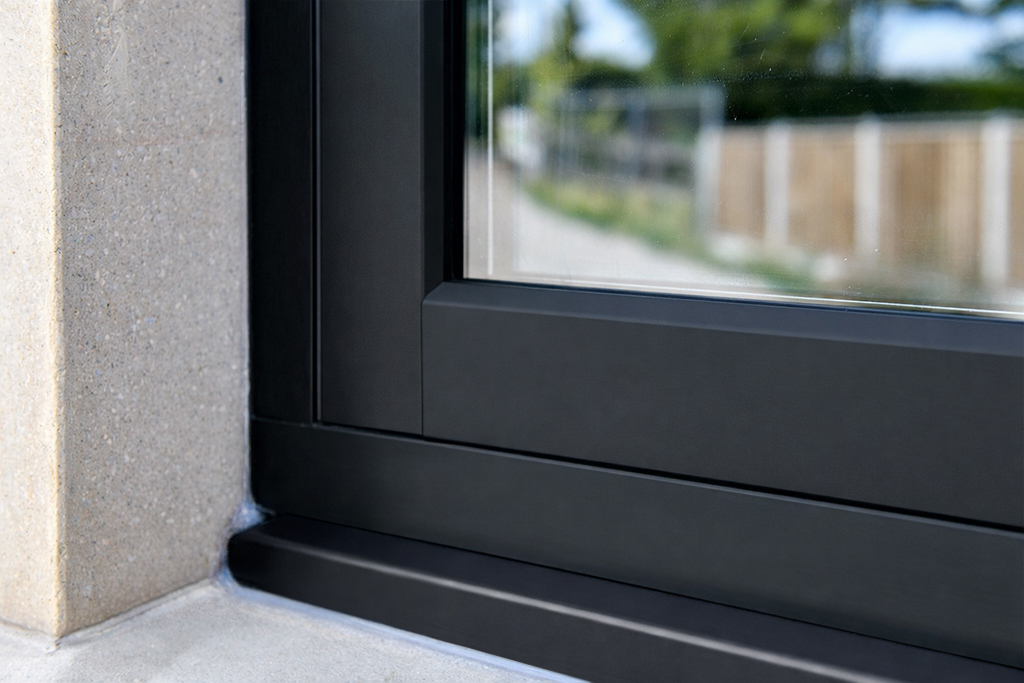
Cleverly concealed behind a head drip, our trickle vents maintain the heritage aesthetic while providing essential fresh air circulation.
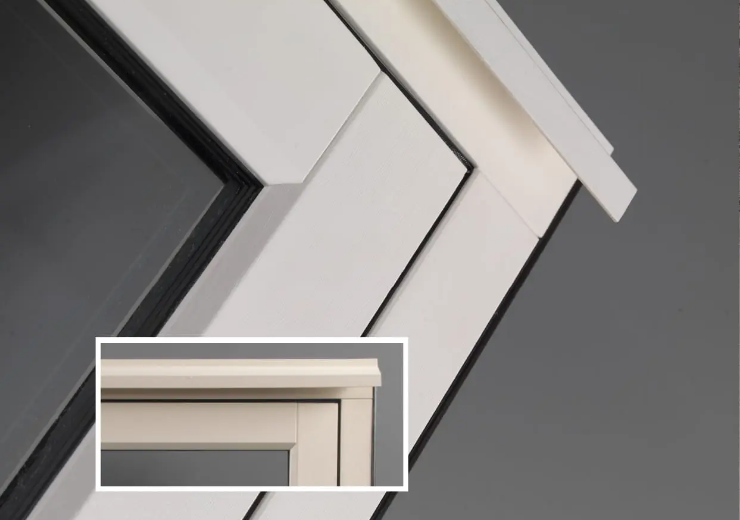
A concealed trickle vent seamlessly integrated into a Timberlook wood effect uPVC window, ensuring airflow without disrupting heritage-style design.
Low maintenance design
Unlike wooden window frames, these windows require virtually no maintenance—no painting, no treating, no worry about rot or warping.
Timberlook windows have been specifically designed to satisfy planning officers and are approved for use in conservation areas, making them perfect for homeowners who want to preserve their property’s character without sacrificing performance.
Timberlook windows for excellent weather protection
Most importantly for winter performance, Timberlook windows deliver exceptional thermal efficiency. The advanced uPVC construction creates an extra barrier against cold weather, dramatically reducing heat loss and keeping your home warmer with lower energy bills. The superior weather seals prevent draughts and moisture ingress, whilst the robust frames maintain their integrity through countless temperature changes.
Whether you’re updating a historic building or a contemporary home, Timberlook offers the perfect blend of timeless style and modern functionality—windows that look beautiful, perform brilliantly, and require minimal maintenance year after year.
Are wood-effect uPVC windows suitable for conservation areas?
Yes. Timberlook flush casement windows are specifically designed to replicate traditional timber aesthetics and have been approved for use in conservation areas. They meet planning requirements whilst offering modern performance and minimal maintenance needs.
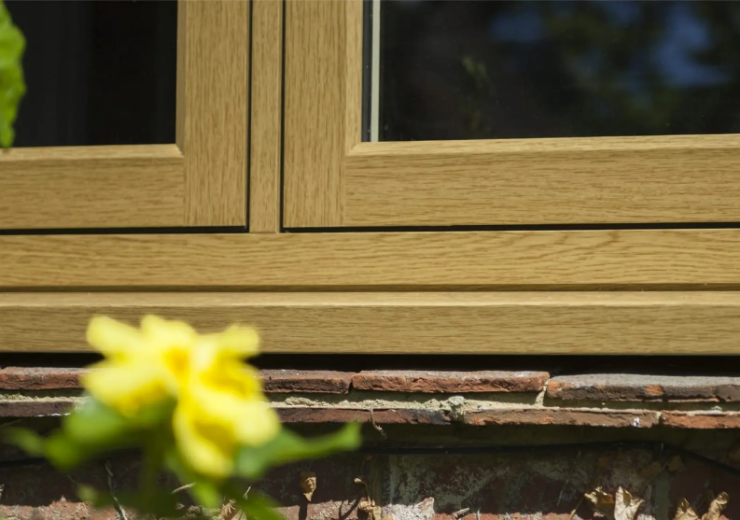
Take action this winter: explore our range of thermally efficient windows
Don’t let another winter pass with underperforming windows. Whether you need advice on maintaining your current windows or you’re ready to explore replacement options, the friendly team at Timberlook is here to help. We can also provide details of a Timberlook installer in your local area.
Get in touch today. Complete our online contact form or call us directly on 01253 888 222.
Related posts