Planning Your 2026 Window Replacement: A Complete Timeline Guide
Planning a window replacement project might seem daunting, but with proper window replacement planning 2026 can be the year you transform your home.
This timeline guide will walk you through every stage of your window replacement journey, from initial research to final installation, ensuring you have the expert advice and peace of mind needed to make informed decisions about your home improvements.
Why replace your windows?
Replacing your windows delivers multiple advantages that go far beyond aesthetics. Modern replacement windows can dramatically reduce heat loss, cutting your energy bills and reducing your carbon footprint.
Newer windows also incorporate improved security features. Modern locking systems and reinforced frames provide greater protection for your home, whilst integrated trickle vents ensure proper air quality and meet ventilation requirements.
Wood-effect uPVC: the best of both worlds
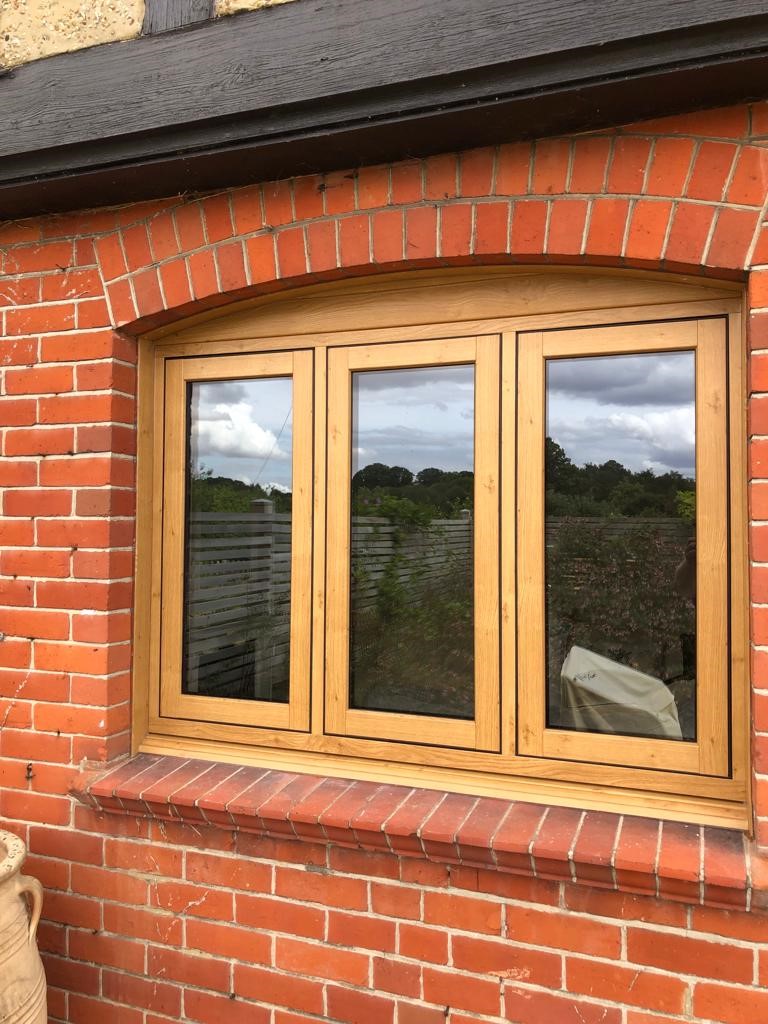
Many homeowners face a dilemma: they love the elegant charm of timber windows but worry about the maintenance requirements and long-term durability. Wood-effect uPVC windows (like our Timberlook range) solve this problem perfectly, offering authentic timber aesthetics without the drawbacks.
Modern manufacturing techniques create stunning visual replicas of traditional wooden frames whilst delivering all the practical benefits of uPVC windows. You’ll enjoy the character and warmth of timber without ever needing to repaint, treat, or worry about rot, warping, or weather damage. Wood-effect uPVC is particularly popular for period properties, conservation areas, and homes where maintaining architectural heritage is important.
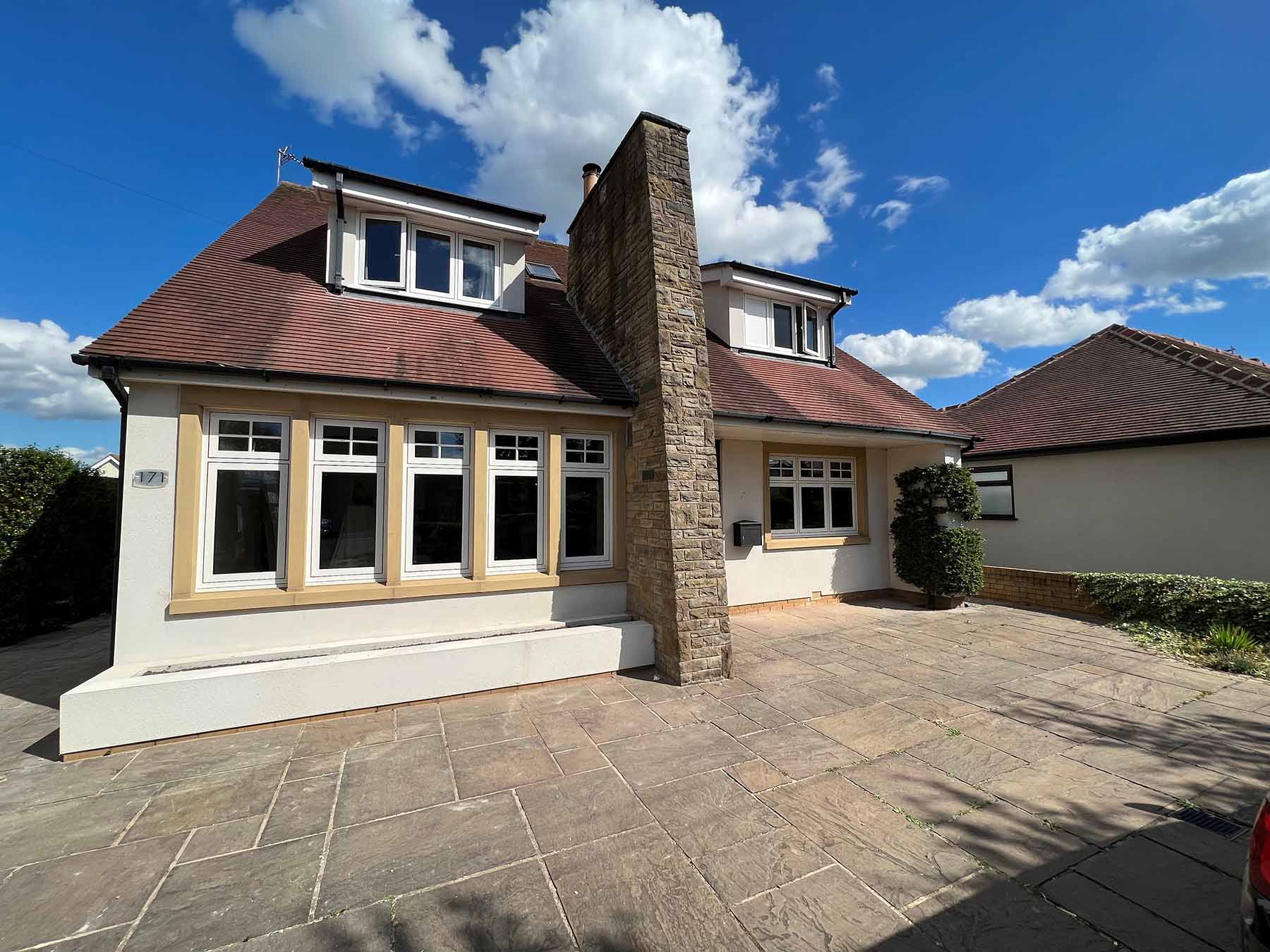
Timberlook: heritage aesthetics meet modern performance
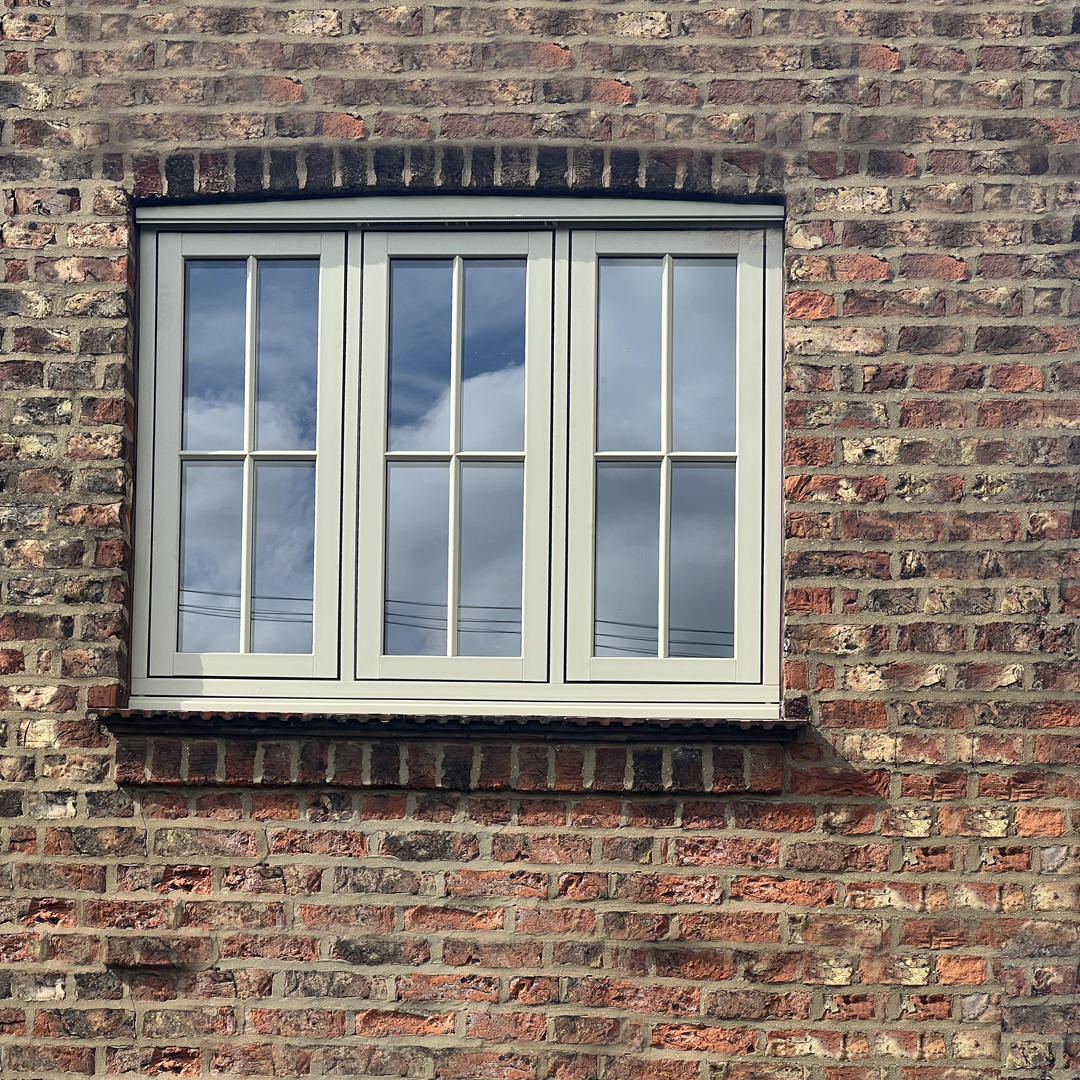
Timberlook windows are some of the most authentic on the market. Our flush sash windows perfectly capture the essence of heritage window designs, sitting flush within the frame just like original timber designs.
Manufactured using the ‘Timberweld’ process, these windows provide the most authentic wood effect on the market, expertly mimicking traditional 19th-century timber windows right down to the mortise and tenon joints.
Timberweld technology eliminates tell-tale diagonal welds, maintaining authentic heritage aesthetics. Concealed trickle vents meet ventilation requirements without compromising traditional appearance, whilst exceptional thermal efficiency (and U-values as low as 1.2) helps you meet Part L of the Building Regulations.
The uPVC construction ensures your windows will look stunning for decades with minimal maintenance—no painting, no treating, just occasional cleaning.
Selecting colours and finishes
One of Timberlook’s strengths is the range of customisation options available, ensuring your new windows perfectly complement your property’s character.
Some of our more popular shades replicate the look of painted timber, such as our Painswick, Pebble Grey, and Chartwell Green shades.
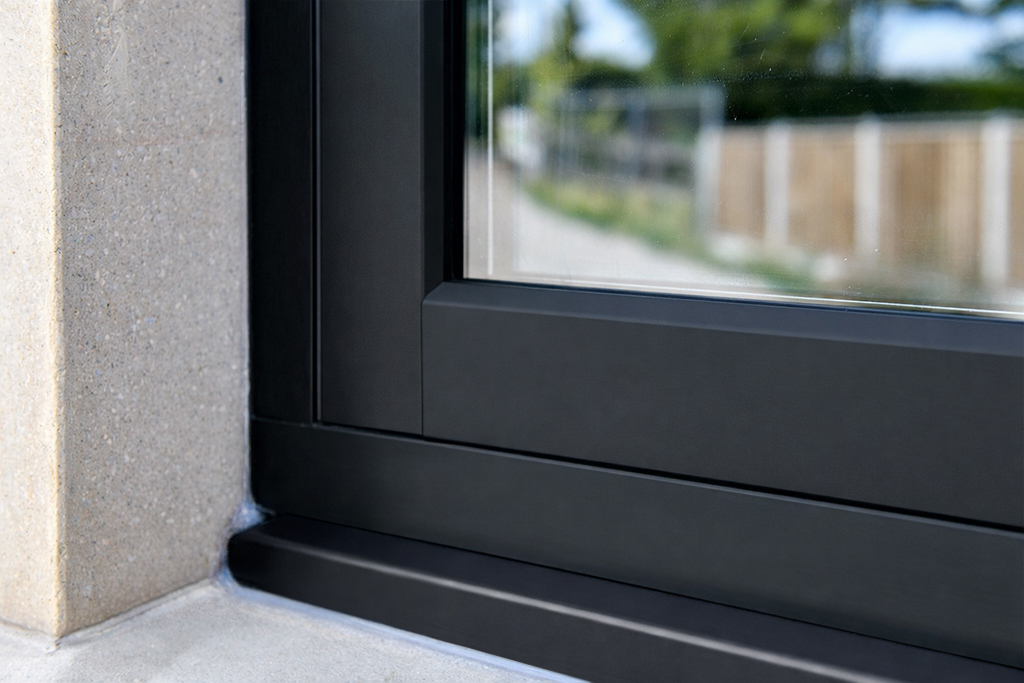
Woodgrain effects include authentic timber finishes like Golden Oak and Rosewood, whilst contemporary colours such as Anthracite Grey have become increasingly popular for modern homes and renovation projects.
Dual-colour options allow you to select different colours for interior and exterior. Configuration choices include various window styles, opening configurations, decorative glazing bars for added authenticity, and period-appropriate hardware to match your chosen aesthetic.










Do you need planning permission?
Understanding planning permission requirements saves time and prevents costly delays in your renovation project. For most homeowners, replacing windows falls under permitted development rights, meaning no planning permission is required when your property is not a listed building, you’re not in a conservation area, and the replacement windows don’t materially alter your home’s appearance.
However, you will need planning permission when your home is a listed building, you’re in a conservation area, or your property has Article 4 directions limiting permitted development rights. Always check with your local authority or local government planning department if you’re uncertain.
Timberlook windows have been successfully approved by planning officers in numerous conservation areas, making them an excellent choice when planning permission is required. Their authentic replication of traditional timber windows often satisfies local planning authority requirements where modern-looking alternatives would be rejected.
Building regulations: what you need to know
Even when planning permission isn’t required, all window replacements must comply with UK Building Regulations. This ensures minimum standards for energy performance, ventilation, safety, and structural integrity.
Part L (Conservation of Fuel and Power) sets energy efficiency standards for windows, requiring certain U-values for thermal performance. Timberlook windows meet current Part L requirements and are designed to accommodate proposed changes under the Future Homes Standard. Part F requires adequate ventilation in residential buildings, which Timberlook’s concealed trickle vents satisfy without compromising aesthetics.
Finding a local Timberlook installer
Choosing the right installer is as important as selecting the right windows. Timberlook works with a network of approved installers across the UK.
Working with an approved Timberlook installer ensures your windows are fitted to the highest standards, maximising their thermal efficiency, security, and longevity. Simply get in touch with our team to find a Timberlook installer near you. Your installer can then discuss planning requirements and help you decide on the best customisation options for your personal style.
How long does window installation take?
The initial consultation and quotation typically takes one to two weeks, involving meeting with your installer, discussing options, taking measurements, and receiving a detailed quote. Order and manufacturing requires four to eight weeks once you’ve approved the quotation.
Installation itself usually takes one to three days per property, depending on the number of windows and any complications. Single windows might be installed in a few hours, whilst whole-house replacements require longer.
The total timeline runs approximately six to twelve weeks from initial consultation to completion. Starting your window replacement planning well in advance—beginning research in early 2026 for late spring or summer installation—gives you flexibility and helps you avoid the spring rush when installers are busiest.
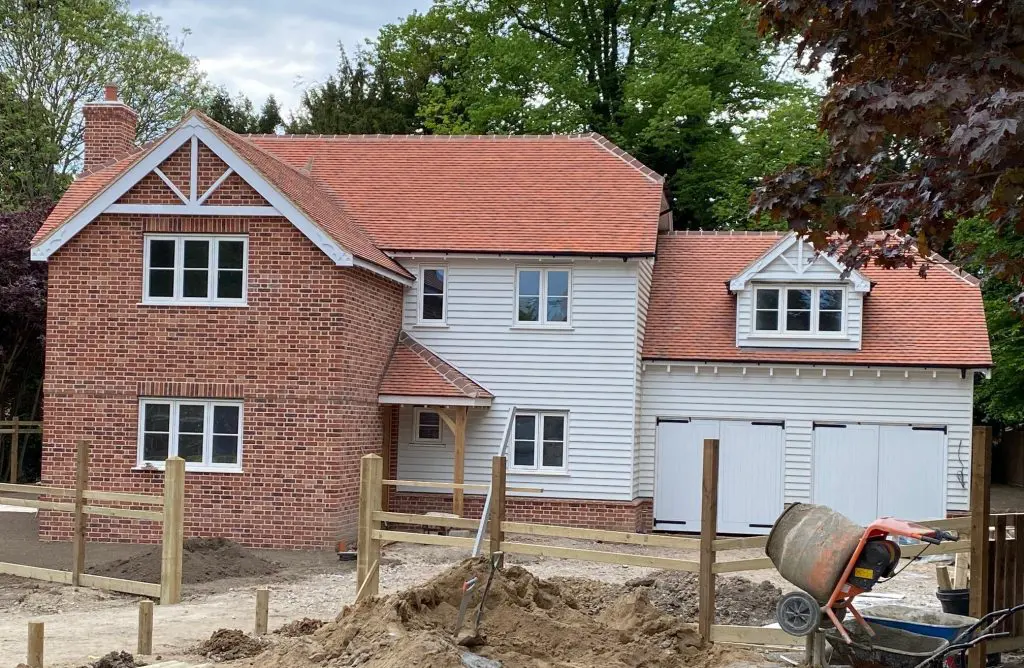
Start your 2026 window replacement journey today
Planning your window replacement for 2026 doesn’t need to be stressful. With Timberlook’s combination of authentic heritage aesthetics, modern performance, and extensive customisation options, you can transform your home with windows that look beautiful, perform exceptionally, and last for decades.
Whether you’re updating a period property in a conservation area, modernising a contemporary home, or anywhere in between, Timberlook offers the perfect solution.
Get started today by completing our online contact form to request information or arrange your free consultation, or call 01253 888 222 to speak directly with our team. We can answer any questions you have, and put you in touch with a Timberlook installer in your local area.
Related posts
- Stop Window Condensation Permanently: How uPVC Windows Solve Moisture Issues
- Window Energy Ratings Decoded: Understanding WER Certificates
- Concealed Trickle Vents: How Timberlook Maintains Heritage Aesthetics While Meeting Building Regulations
- What are the best Flush Sash Windows?
- The Great Debate: Traditional Style uPVC Windows vs Timber