Bay Window Replacement: Maintaining Structural Integrity and Style
Bay windows are one of the most distinctive features of British homes, flooding living spaces with natural light and creating valuable extra space. But when old windows start to fail, replacing bay windows is a project that demands careful thought – balancing structural integrity with period-appropriate style, especially on traditional properties.
Below, we’ll explore the key considerations involved in a bay window replacement project and explain why our Timberlook heritage flush casement windows are the ideal solution for those who want authentic character without the compromises of traditional timber.
Why bay windows demand expert attention
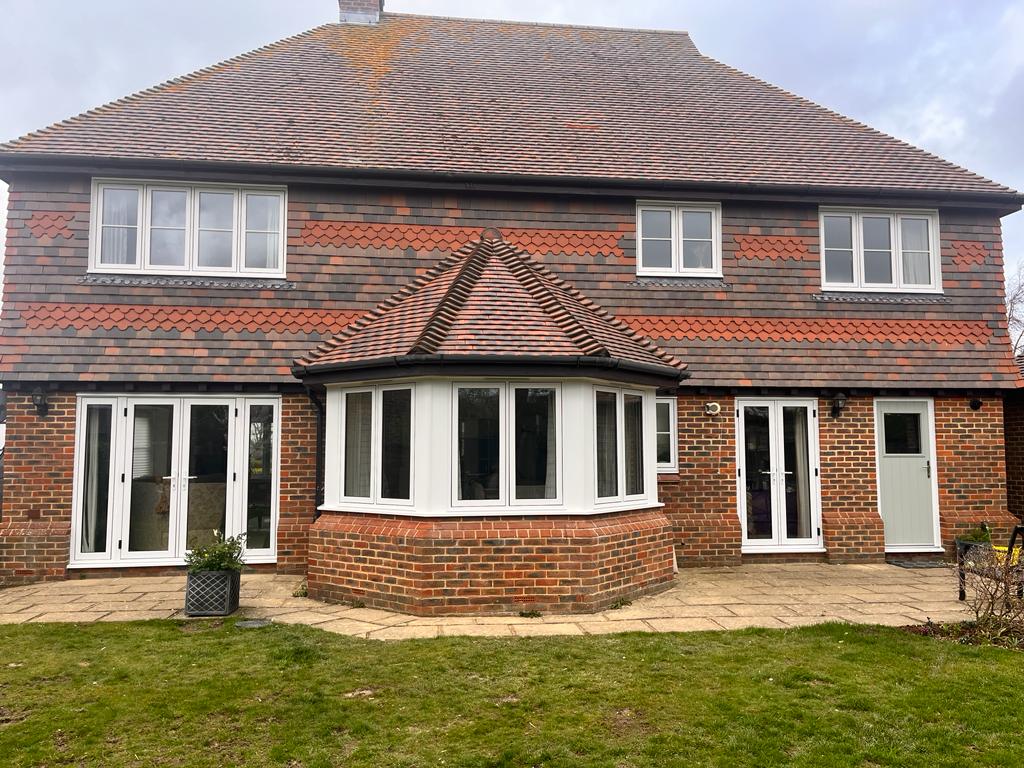
Unlike a standard flat window, a bay window projects outward from the facade – typically at right angles in a squared configuration or in a curved bow window arrangement. This means the bay window frame is doing more than holding glass in place. It’s part of a structural system that supports brickwork, lintels, and in many cases, the roof structure above.
Before any new windows are fitted, the existing bay window must be carefully assessed. Are the gallows brackets or structural supports beneath the bay still sound? Is there evidence of subsidence, cracking, or movement in the surrounding masonry? Does the substructure need repair work before installation can proceed?
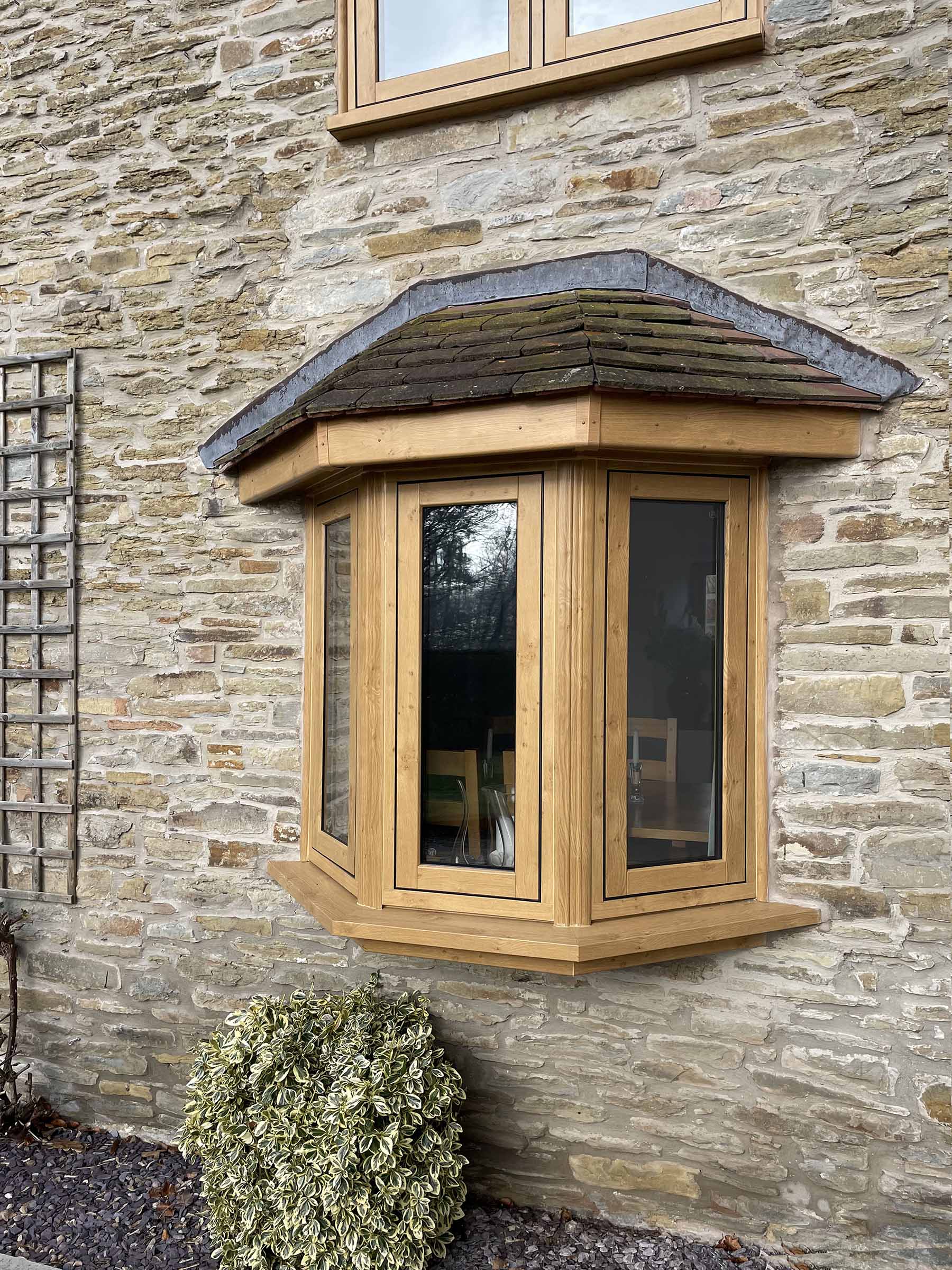
What does a bay window replacement cost?
One of the most common questions homeowners ask is about the cost of a bay window replacement. The honest answer is that it varies considerably, depending on the type of bay window, the size of the bay window, the frame material chosen, and whether any structural work is needed.
The total cost is influenced by several factors:
Window size and design – Larger bays and those with complex designs, such as a circle bay window, naturally cost more than a straightforward three-section, 90-degree arrangement.
Structural requirements – If the bay’s supporting structure needs attention, this adds to additional costs alongside the window replacement itself.
Labour costs – Labour fees vary by region, but professional installation by experienced bay window installers is essential for both performance and peace of mind.
While the cost of bay windows is a significant consideration, it’s important to view this as an investment. A brand-new bay window improves energy efficiency, strengthens security, and can often increase the value of your property.
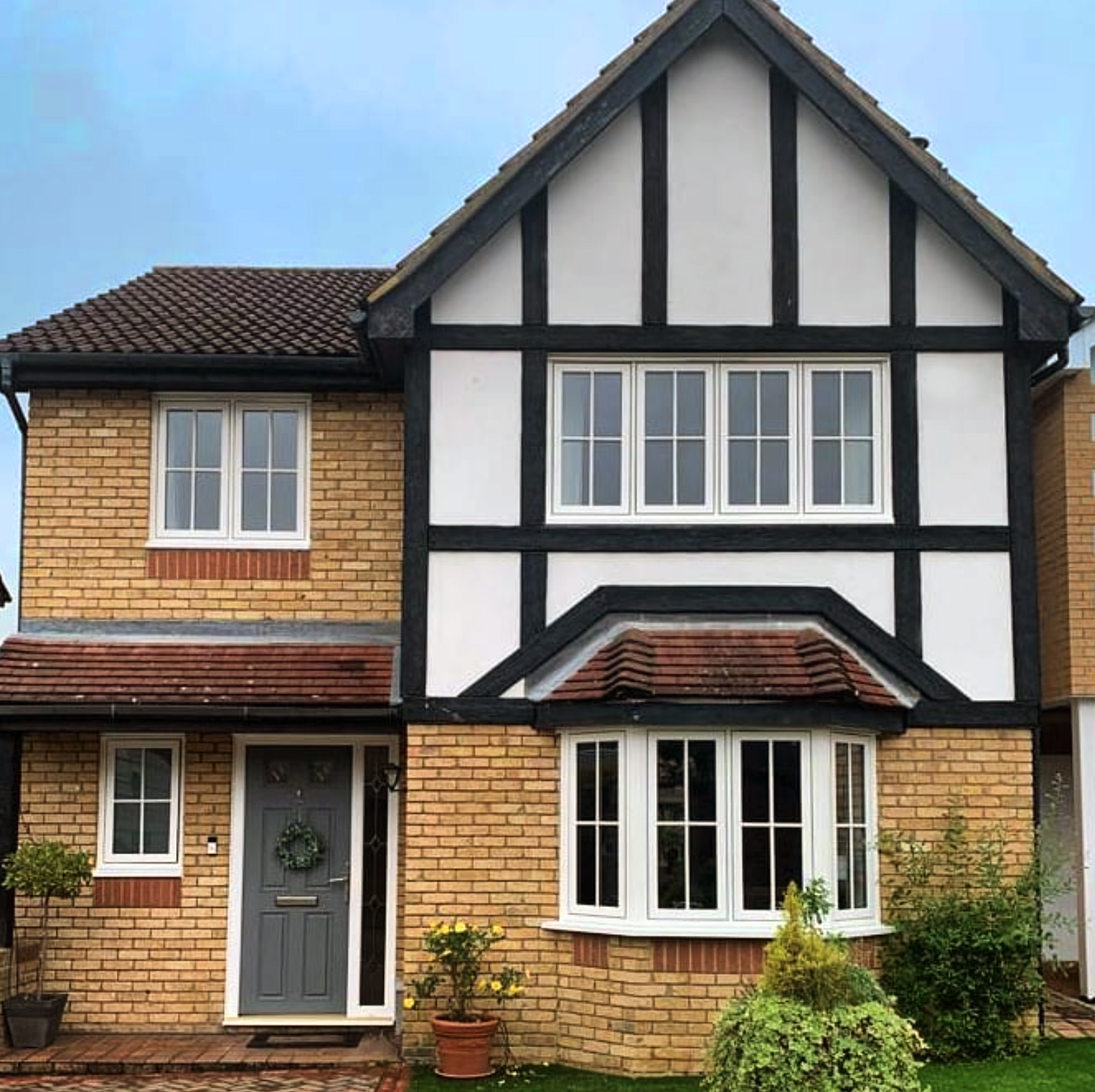
The growing demand for heritage-style windows
Across the UK, there’s been a noticeable shift in homeowner preferences. Rather than opting for generic modern bay windows, more and more people are choosing heritage-style windows that honour the traditional character of their properties.
This trend is driven by several factors. Owners of period properties want new windows that respect the original architectural intent – slender frames, flush profiles, and authentic period detailing. Meanwhile, owners of modern homes are increasingly drawn to the warmth and craftsmanship of cottage style windows, appreciating how heritage designs add depth and personality to contemporary builds.
For bay window replacement in particular, choosing a window style that complements the property’s era can make the difference between a renovation that feels considered and one that feels out of place.
Why Timberlook flush casement windows are the ideal bay window solution
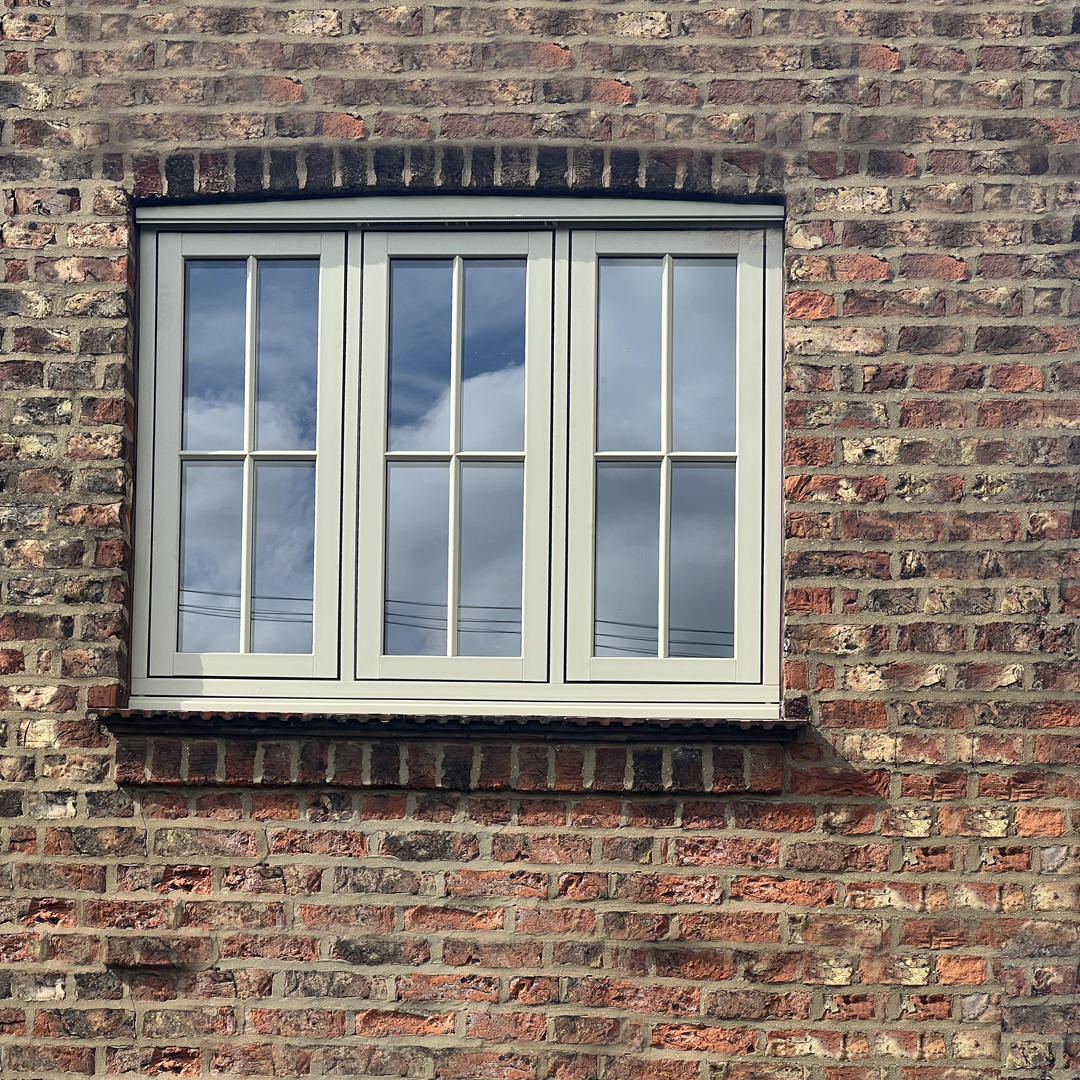
Our flush casement windows have been specifically designed to replicate the look of traditional 19th-century timber windows – the very style that graces the bays of countless Victorian and Edwardian homes across Britain.
What makes Timberlook different from standard uPVC windows is the extraordinary attention to period-accurate detail:
Authentic mortise and tenon joints – Replicating the traditional joinery methods used in original timber windows.
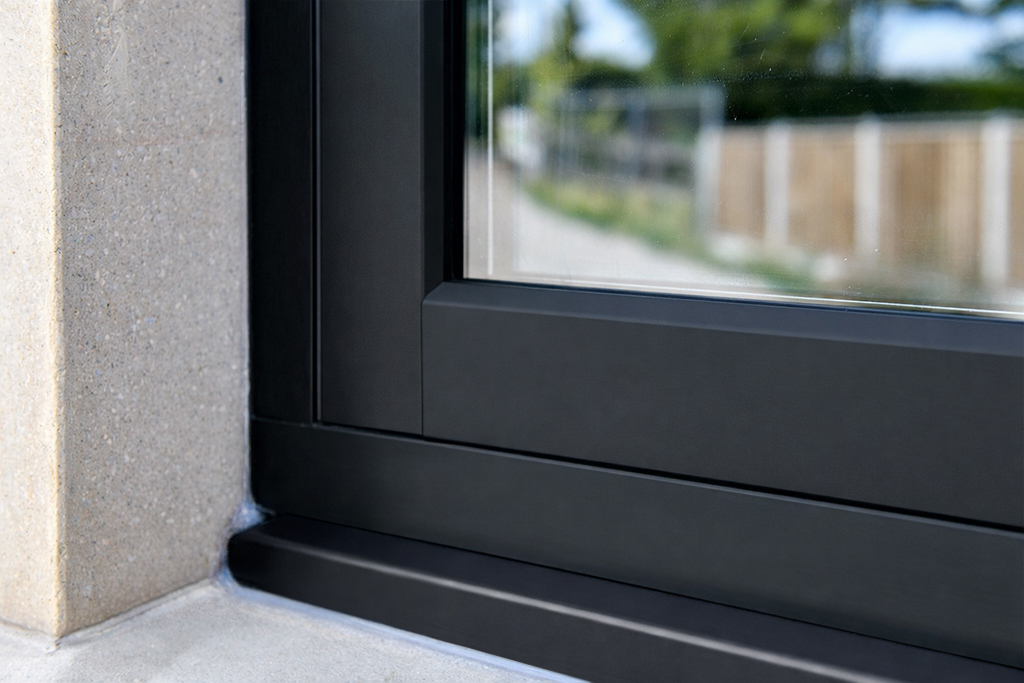
Timberweld technology – Timberlook’s proprietary manufacturing process eliminates the tell-tale diagonal welds found on standard uPVC windows, creating corner joints that are virtually indistinguishable from real timber craftsmanship.
Flush external profile – The window sits flush within the frame, exactly as original timber casements would have, delivering that clean, traditional appearance.
Concealed trickle vents – Ventilation is integrated without disrupting the heritage aesthetic.
This level of authenticity is precisely why Timberlook windows have been approved for use in conservation areas across the UK. When replacing bay windows on properties where heritage appearance is non-negotiable, Timberlook’s flush casement system gives planning officers and homeowners alike the confidence that the replacement will be sympathetic to the building’s original character.
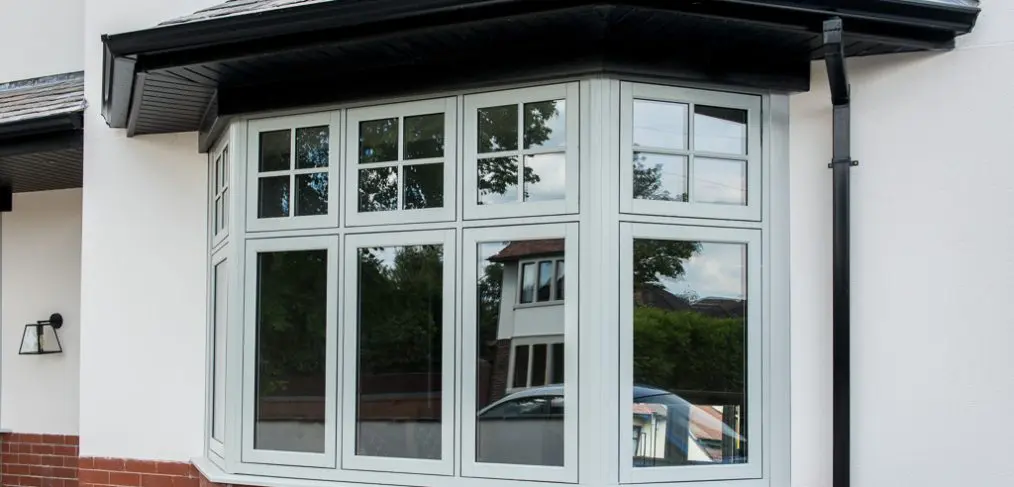
The practical case for uPVC over timber
The charm of traditional wooden windows is undeniable. But anyone who has maintained timber bay windows knows the reality: regular sanding, repainting every few years, vigilant checks for rot and warping, and the inevitable moment when moisture finds its way through a failing joint.
Over a 25 to 30-year lifespan, the maintenance costs associated with timber frames can far outstrip the new bay window cost itself.
Timberlook’s uPVC flush casement windows deliver the same period aesthetic without any of that ongoing burden.
- No painting, staining, or sanding required. A simple clean with soapy water keeps them looking pristine for decades
- Multi-chambered uPVC profiles combined with modern double glazing or triple glazing dramatically reduce heat loss, helping to lower energy bills
- Multi-point locking mechanisms come as standard across the Timberlook range, meeting modern safety standards and giving you genuine peace of mind
- uPVC frames won’t rot, warp, rust, or swell. They’re built to last, even in the most exposed coastal or rural locations
For homeowners weighing up the cost of a new bay window, the lifetime value of uPVC is compelling. The initial outlay is lower than timber, the ongoing costs are negligible, and the performance is far superior.
Customisation: making your bay windows uniquely yours
Every property is different, and every bay window replacement deserves a tailored approach. Timberlook offers an extensive range of customisation options to ensure your new windows complement your home perfectly.
Colour and finish
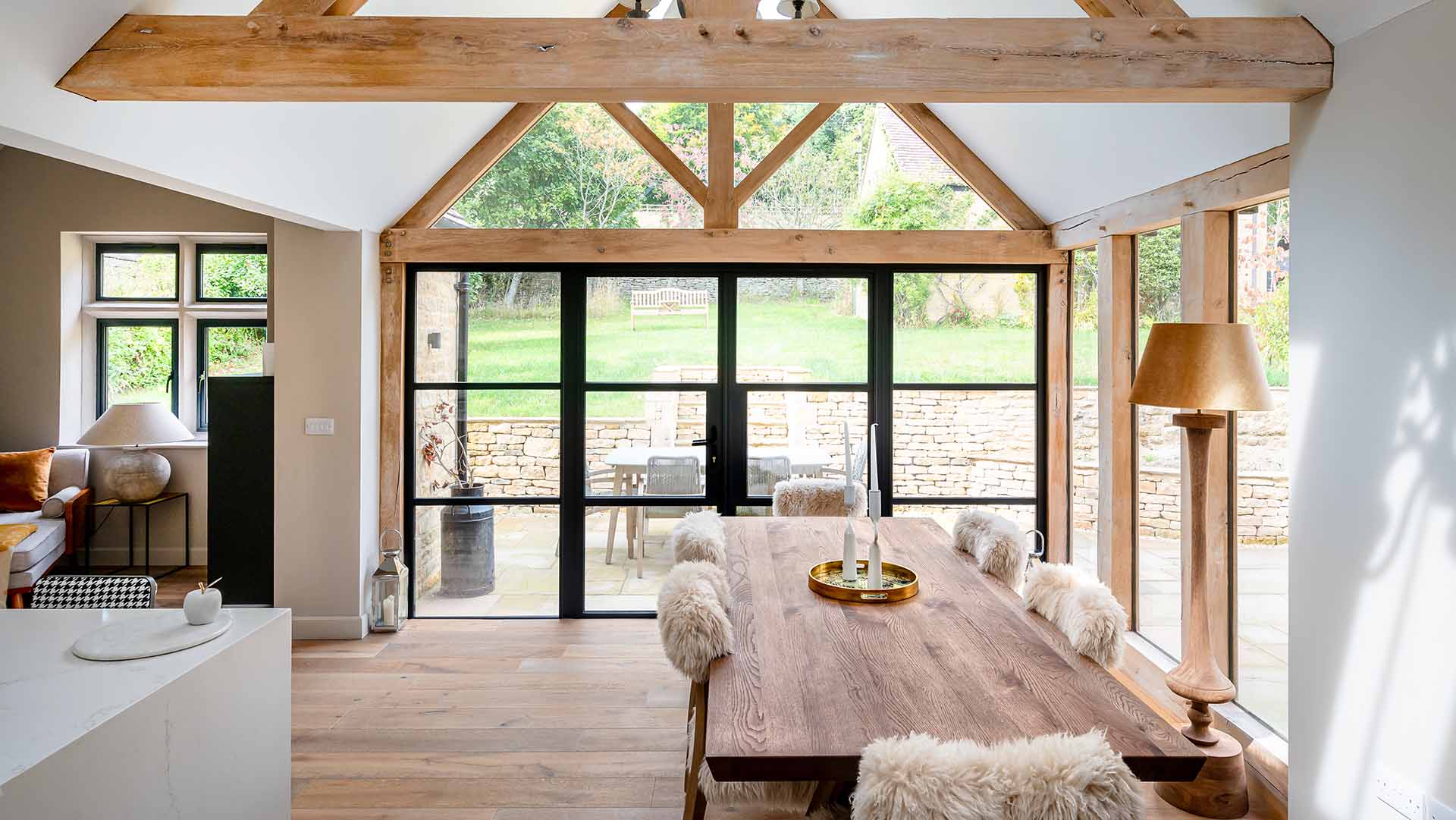
Choose from a wide range of colours and woodgrain effects, including popular options like Painswick, White Woodgrain, Rosewood, Irish oak, and Anthracite Grey. Dual-colour finishes are also available – allowing you to have a traditional woodgrain externally with a clean white or complementary shade internally.
Glazing bar configurations
Whether your property calls for a classic Georgian bar pattern, a simple cottage-style horizontal bar, or no bars at all, Timberlook’s system accommodates a variety of layouts to suit different bay window styles and architectural periods.
Side windows and configuration
Bay windows typically comprise a central pane flanked by side windows. Timberlook flush casement windows can be configured to match virtually any existing bay window arrangement, whether angled, squared, or curved in a bow window formation.
This flexibility makes Timberlook a popular choice not only for period properties but also for modern homes and new builds where homeowners want to introduce heritage character and cottage-style charm.
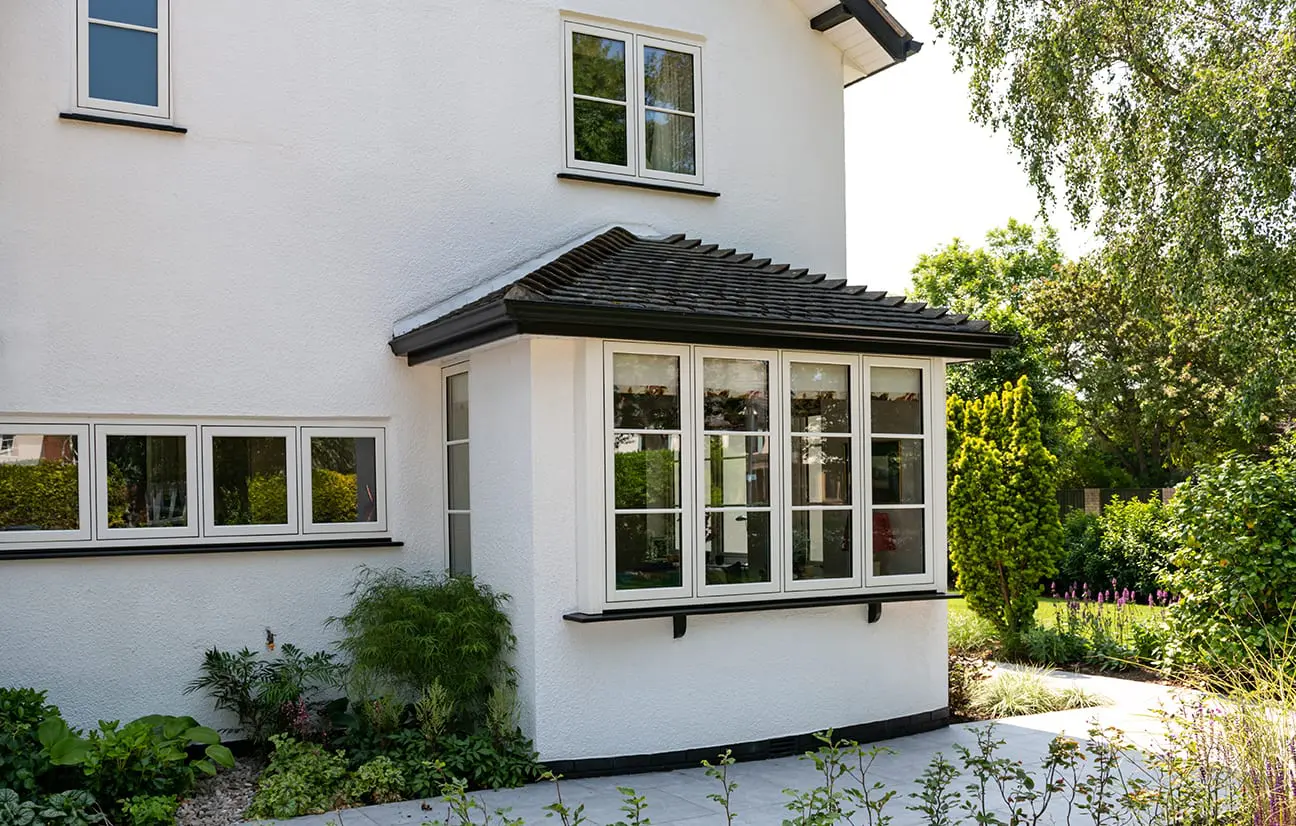
Ready to start your bay window replacement?
Whether you’re restoring a Victorian bay to its former glory, upgrading a tired Edwardian frontage, or adding heritage character to a contemporary home, Timberlook’s flush casement windows offer the perfect combination of authentic period style and modern uPVC performance.
Get in touch with Timberlook today to discuss your project, request a quote, or find an approved installer in your local area. You can use our online contact form or call us on 01253 888 222.
Frequently asked questions
Do I need planning permission to replace a bay window?
Standard like-for-like replacement usually doesn’t require planning permission. However, homes in conservation areas or subject to Article 4 directions may need approval. Timberlook windows are regularly approved for conservation area use.
Are Timberlook windows suitable for conservation areas?
Yes. Timberlook flush casement windows feature authentic period detailing and are manufactured using Timberweld technology. They have been approved by planning officers for use in conservation areas across the UK.
What’s the difference between a bay window and a bow window?
A bay usually consists of two or more flat window panels set at defined angles, projecting outward from the wall to create additional space inside the room. These are often installed where a bay structure already exists on the property.
A bow, by contrast, is formed from a series of narrower window panels that create a gentle curve across the front. Unlike bay windows, bow bays are typically installed within a flat window opening, allowing the curved projection to be created where one didn’t previously exist.
Timberlook flush casement windows can be configured to suit both bay and bow window styles.