Victorian Window Restoration: When To Repair vs Replace
If you own a Victorian home, you’ll know that maintaining period character whilst improving comfort can feel like a constant balancing act. One of the biggest decisions is what to do about your windows—especially when original timber frames begin to show their age.
This guide is designed for UK period property owners who are weighing up Victorian window repair vs replacement. We’ll cover when restoration makes sense, when replacement is more practical, and what to consider if your home sits in a conservation area or is affected by an Article 4 Direction.
As experts in blending heritage window design with modern performance, we’ve compiled all the information you need to help you make an informed decision.
Quick decision guide: should you repair or replace?
Before going deeper, here’s a simple way to decide:
Repair/restoration is usually suitable if:
- Rot is localised (often sills/bottom rails) and the main frame is sound
- Issues are mostly draughts, rattles, sticking sashes, worn cords/weights, or flaking paint
- You’re happy with ongoing painting and maintenance
Replacement is usually better value if:
- There is widespread rot, deep timber decay, severe warping, or unsafe operation
- Multiple windows need major work (costs add up quickly)
- You want modern thermal performance, security, and low maintenance
- You need consistent aesthetics across bays/front elevation
The beauty of Victorian architecture (and why windows matter)
Victorian windows are instantly recognisable, thanks to their characteristic design features that emerged during Queen Victoria’s reign (1837–1901).
Almost exclusively, Victorian windows were constructed from timber frames. Popular styles include sliding sash windows and flush casement windows, typically with ornate detailing, glazing bars and decorative hardware.
Many Victorian homes also often feature bay window configurations, particularly in terraced housing, where three-sided bays with casement windows or sash windows created additional living space and flooded rooms with natural light.
Common Victorian window features (useful when matching replacements)
If you’re replicating original windows, these terms often come up in quotes/spec sheets:
- Sash windows / box sash windows (sashes sliding vertically, often with cords and weights)
- Glazing bars (sometimes called astragal-style bars, depending on construction)
- Meeting rails and slim sightlines (what makes the façade look “right”)
- Hardware styles (traditional handles, stays, and period finishes)
The reality of ageing timber windows
Whilst timber Victorian window designs possess undeniable charm, old and outdated windows can cause significant damage to your property.
- Draughts and heat loss: Gaps in timber frames and ill-fitting sashes allow cold air to infiltrate, leading to higher energy bills.
- Rot and decay: Timber is vulnerable to moisture, particularly in lower sills and exposed areas. Once rot takes hold, structural integrity becomes compromised.
- Single glazing (or failed older double glazing): Original Victorian windows feature single glass panes, offering minimal insulation compared to modern performance standards. Similarly, outdated and ageing double glazing can also cause heat loss throughout your home, leading to high energy bills.
- Maintenance burden: Traditional timber sash windows require regular repainting—typically every 4–6 years—to protect against the elements.
- Security concerns: Aged window frames with worn locks make your home vulnerable to intruders.
Repairable issues vs “replacement-level” issues
It’s helpful to separate fixable problems from signs that replacement is more sensible.
Often repairable:
- Draughts and rattles (draught proofing, parting beads, seal upgrades)
- Sticking sashes (adjustment, overhaul, balance/cord repair)
- Localised rot (splicing/repairs to sill sections)
- Condensation on glass (improved ventilation, secondary glazing options)
Often replacement-level:
- Widespread rot across frames/sashes
- Severe distortion/warping (poor sealing and operation)
- Multiple windows needing major rebuild simultaneously
- Previous poor repairs that have failed repeatedly
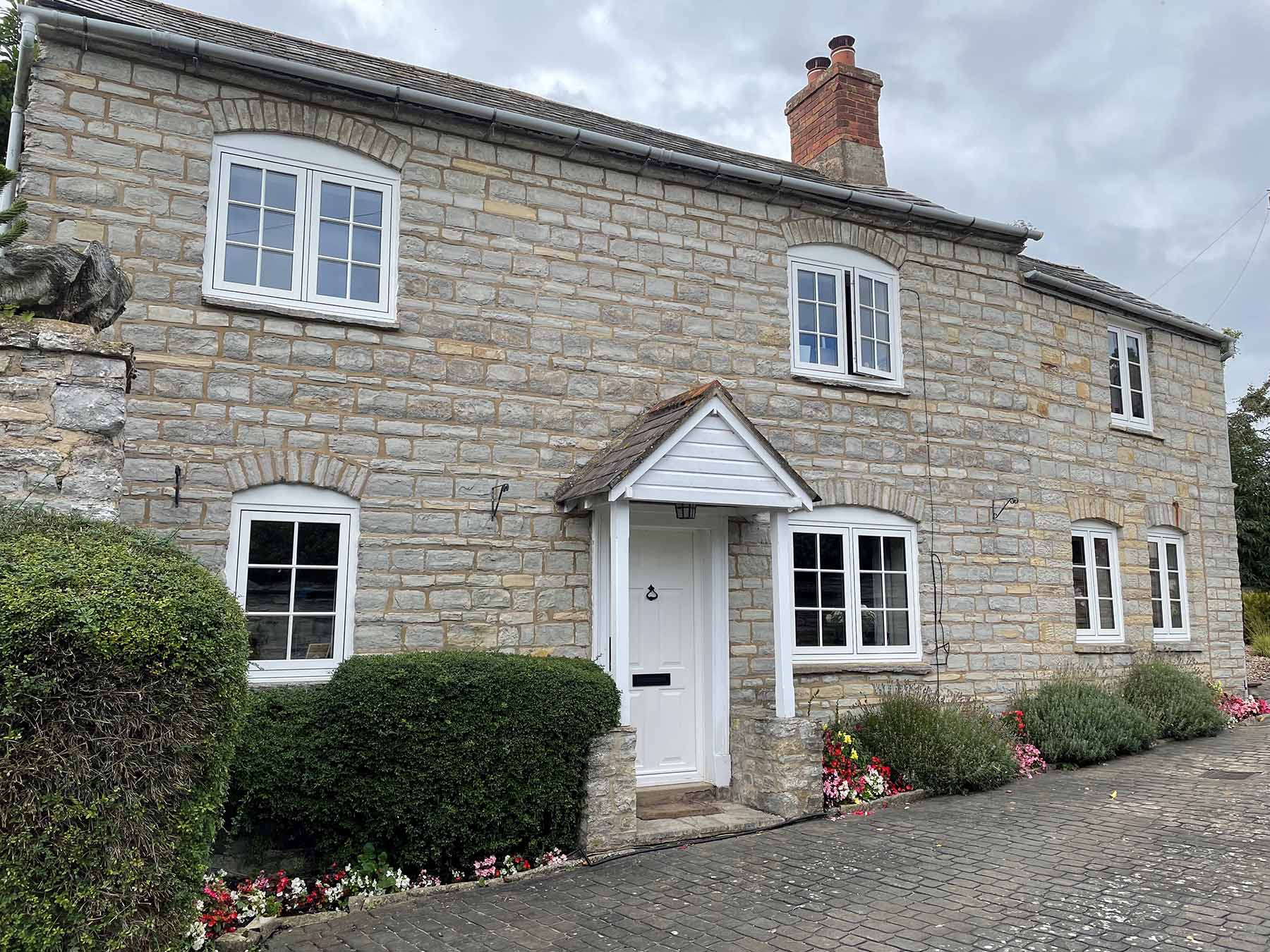
Repair and restoration: is this always the answer?
Many homeowners initially assume that repairing existing windows is the only appropriate approach for period homes, particularly in conservation areas. Whilst restoration can certainly work in some circumstances, it’s not always the best solution.
Wooden windows can be successfully repaired if the damage is relatively minor—however, this approach only makes financial sense when the existing window frames are in great condition.
The reality is that restoration of traditional timber windows often proves surprisingly expensive. If your windows suffer from extensive rot, complete repair costs can easily exceed the price of replacements. You’ll also need to factor in the ongoing maintenance commitment—new timber windows still require regular painting and upkeep, with associated costs recurring every few years.
If you want to keep original windows: upgrade paths to consider
If your frames are broadly sound but comfort is the problem, you may also consider:
- Draught proofing (a major comfort improvement without changing appearance)
- Secondary glazing (often used to improve warmth and noise reduction, especially in sensitive areas)
- Sash overhaul (cords/weights/pulleys) to restore smooth operation and tight closure
Victorian window replacement: your material options
Once you’ve determined that replacement offers better value than repair, the next question becomes: should you choose new timber windows or explore modern alternatives like wood-effect uPVC?
New timber windows certainly maintain authenticity, but they come with considerable drawbacks: higher initial costs, ongoing maintenance requirements, limited warranties, and performance variations as timber naturally expands and contracts.
Wood-effect uPVC windows have evolved dramatically in recent years. Modern manufacturing techniques (such as the Timberweld process used in our Timberlook windows) create authentic mortise and tenon-style joints without tell-tale diagonal welds.
The benefits of choosing wood-effect uPVC for your Victorian window replacement include:
- Energy efficiency: Modern uPVC frames with double glazing dramatically reduce heat loss and energy bills. Some configurations even accommodate triple glazing for maximum thermal efficiency
- Minimal maintenance: No painting, staining, or treatment required—just occasional cleaning
- Long-term durability: uPVC doesn’t rot, warp, or deteriorate like timber
- Cost-effectiveness: Significantly lower initial investment with virtually no ongoing maintenance costs
- Security and peace of mind: Multi-point locking systems provide far better home security than period ironmongery
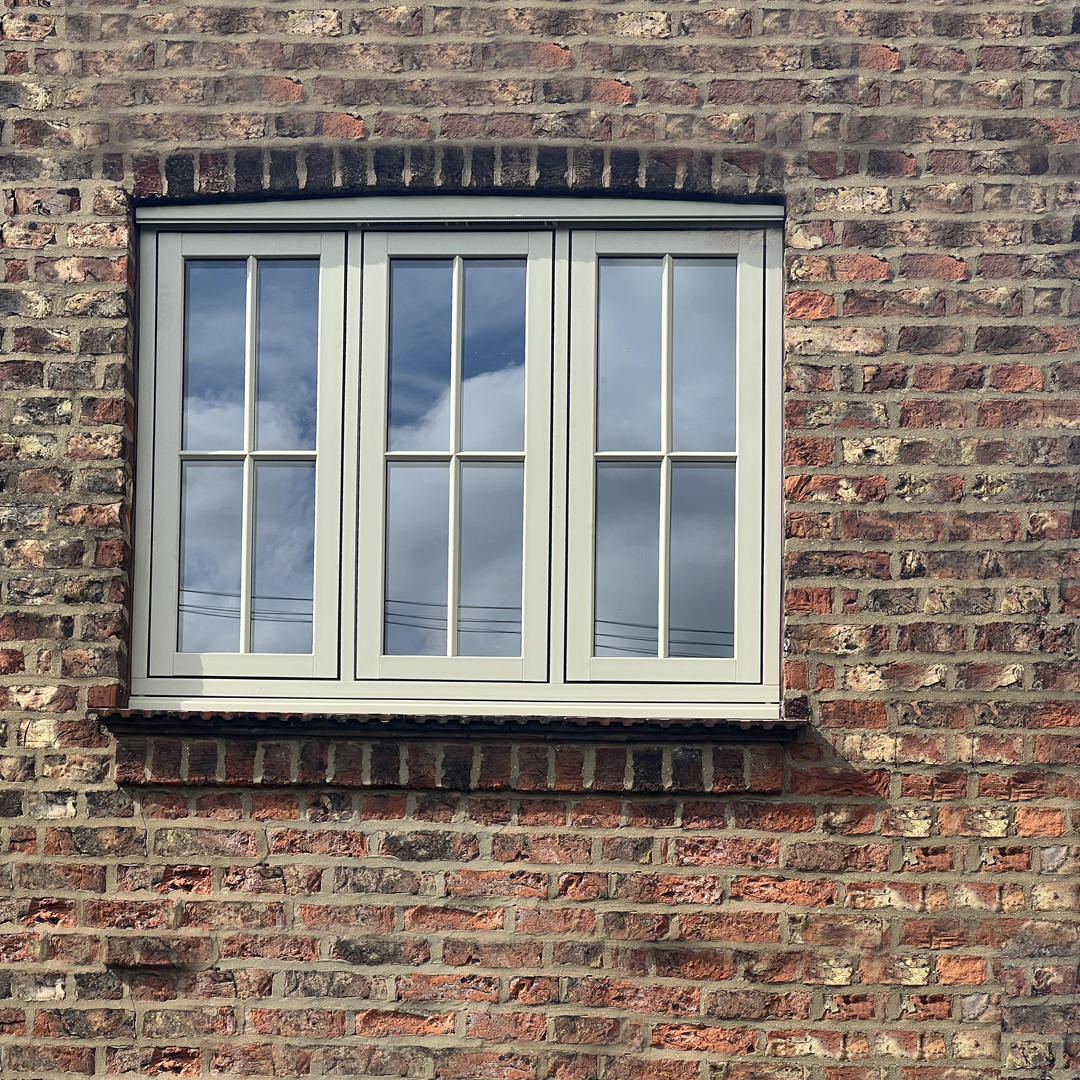
Achieving authentic Victorian window style with modern materials
The key concern for period property owners is whether replacements can truly replicate the character of Victorian windows. With thoughtfully designed products, the answer is a resounding yes.
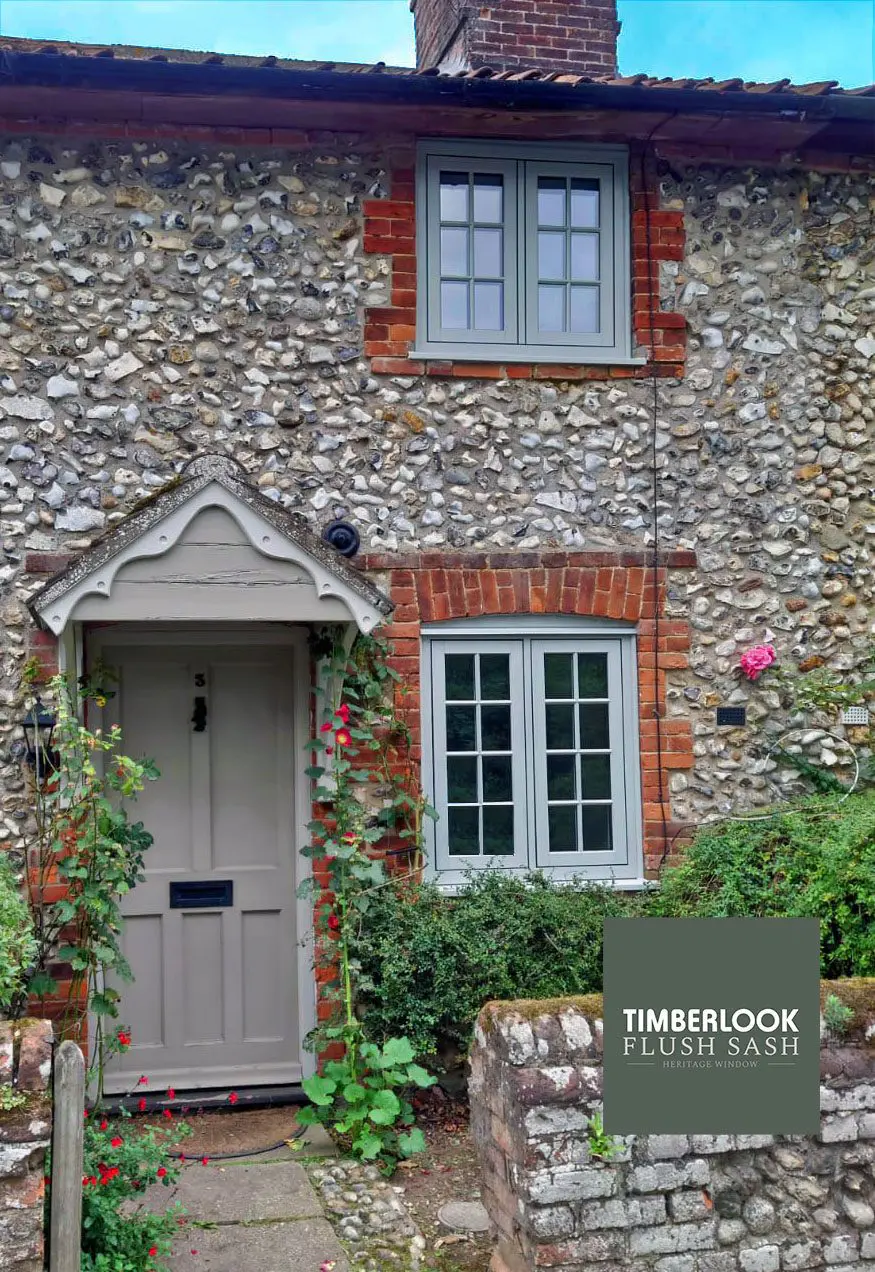
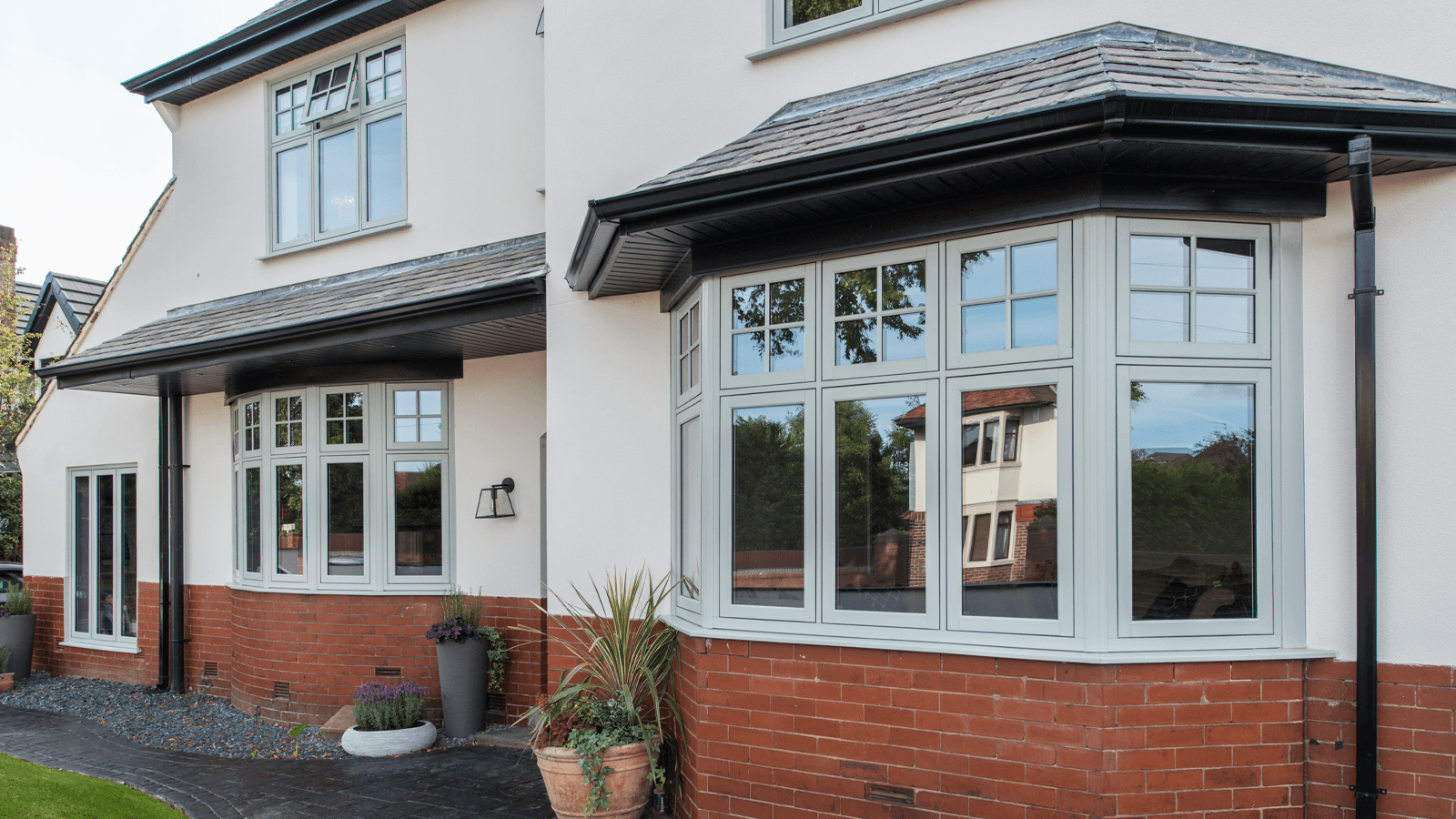
Timberlook windows are specifically engineered to capture the essence of Victorian window style whilst delivering modern performance. Our flush sash windows perfectly mimic the appearance of traditional timber sash windows, with authentic sightlines and period-appropriate detailing.
Our customisation options allow homeowners to recreate their original windows with remarkable accuracy:
Authentic glazing configurations
Choose from various pane arrangements to match Victorian-era designs, from simple two-over-two layouts to more elaborate multi-pane configurations with decorative glazing bars.
Wood-grain finishes
An extensive range of finishes includes Golden Oak, Rosewood, and popular Anthracite Grey options. Dual-colour choices allow different internal and external finishes.
Heritage detailing
Decorative elements such as dummy peg stays and period-style Monkeytail and Peardrop handles maintain the heritage aesthetic whilst incorporating modern functionality.
Concealed ventilation
Trickle vents are discreetly integrated, meeting modern building regulations without compromising the heritage aesthetic.
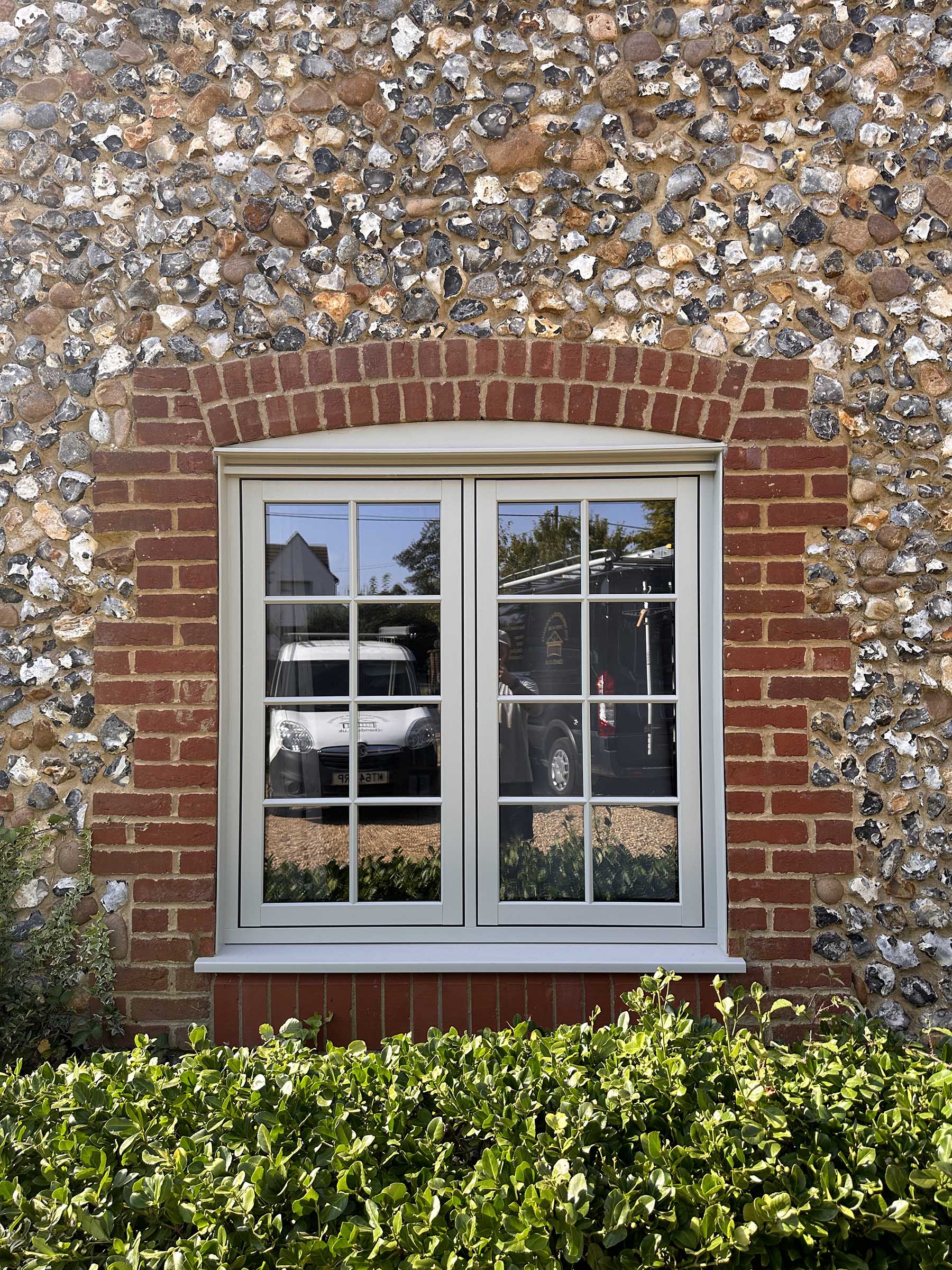
For properties within conservation areas, Timberlook windows have previously satisfied conservation area requirements. Our products have been approved for use in protected settings, demonstrating that Victorian window replacement needn’t compromise historical character.
Conservation areas, Article 4 and listed buildings: do you need planning permission?
Will replacing windows in a conservation area require planning permission?
This depends on your specific situation. Many conservation areas allow like-for-like replacements, but Article 4 directions may apply. Always consult your local planning authority and conservation officers before proceeding.
A practical way to approach this:
- Is your home listed? If yes, you’ll likely need listed building consent.
- Is it in a conservation area? If yes, appearance/materials often face tighter controls.
- Is there an Article 4 Direction? If yes, you may need formal permission even for changes that would otherwise be permitted development.
- Document what you’re changing: glazing layout, profiles, colours, hardware, and sightlines.
For properties within conservation areas, Timberlook windows have previously satisfied conservation area requirements. Our products have been approved for use in protected settings, demonstrating that Victorian window replacement needn’t compromise historical character (subject to local authority requirements and correct specification).
Completing your period property transformation: Timberlook doors
Beyond windows, creating a cohesive appearance for your Victorian property means considering how all external elements work together. Timberlook’s range extends to door options, including flush single doors and French doors designed to replicate traditional wooden door designs.
These timber alternatives maintain period authenticity whilst offering modern comfort and security, with authentic woodgrain finishes, traditional panel configurations, and period-appropriate hardware that harmonises perfectly with your Timberlook windows.
FAQs
Can I replace Victorian sash windows with double glazing?
Often yes, but it depends on your property status (listed/conservation/Article 4) and the specification. In sensitive cases, secondary glazing can be an alternative.
Is repairing sash windows cheaper than replacing them?
Not always. Localised repairs can be good value, but widespread rot or multiple windows needing overhaul can exceed replacement costs.
Do wood-effect uPVC windows look authentic on Victorian homes?
They can—especially when the product prioritises heritage sightlines, glazing layouts, woodgrain finishes and period hardware.
Do I always need permission in a conservation area?
Not always, but rules vary and Article 4 can change what’s allowed. Always check with your local planning authority before ordering.
Find the perfect replacement windows with Timberlook: get in touch today
Timberlook’s heritage range offers the perfect solution for homeowners seeking authentic Victorian window style without the drawbacks of traditional timber.
Get in touch with Timberlook today to discuss your Victorian window replacement project. Our team can help you navigate conservation area requirements, explore customisation options, and connect you with an approved Timberlook installer in your local area.
Contact us today – fill in our online contact form or call our team on 01253 888 222.
Related posts