Conservation Area Replacement Windows: Complete Planning & Installation Guide
If you’re planning to replace your windows in a conservation area in a conservation area, you’re likely aware of the energy efficiency benefits and potential heating bill savings. However, if your property is located in one of England’s about 9,900 in 2024 conservation areas, you may face additional planning requirements and restrictions that could affect your window replacement project.
This comprehensive guide explains everything you need to know about replacing windows in conservation areas, from planning permission requirements to choosing the right windows that satisfy both conservation officers and your home improvement goals.
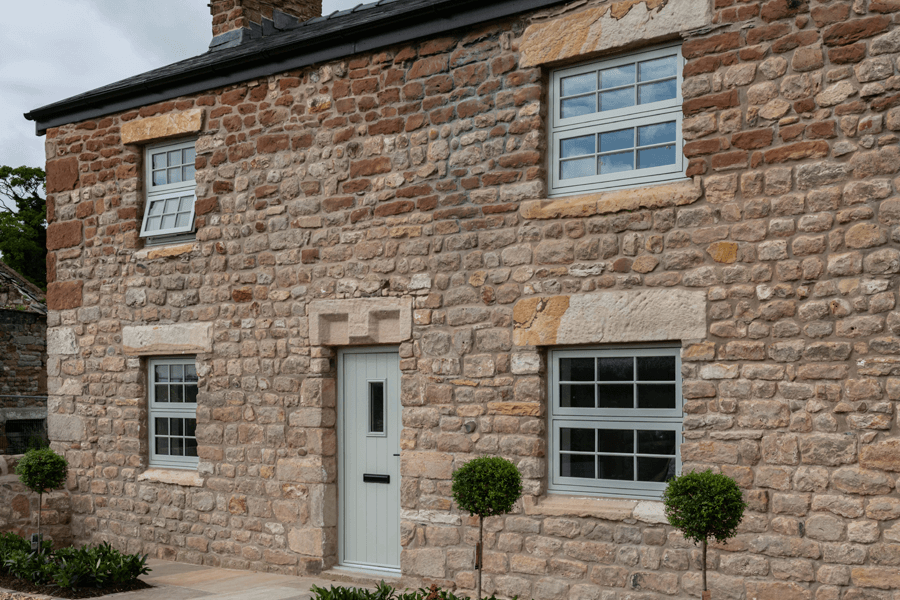
Understanding Conservation Areas and Double Glazing Window Regulations
What is a Conservation Area?
Conservation areas are designated by local councils to protect the special architectural or historic interest of a place. These areas are subject to extra planning controls to preserve their distinct character and appearance.
Windows are often key features that define a building’s character, so alterations in these areas typically need to respect traditional styling. In many cases, changes to windows will require planning permission, especially when an Article 4 Direction is in effect. To find out if your property is affected, check your local council’s website or contact the planning department directly.
When Do You Need Planning Permission?
What the rules say (quick reference)
- Planning Portal: when permission is needed for doors and windows.
- Permitted Development & Article 4: why PD may be removed locally.
- Historic England: why preserving character matters in conservation areas.
Window replacement in conservation areas often needs planning permission—especially where an Article 4 direction removes permitted development rights. Always check with your Local Planning Authority to confirm local rules before you start. Article 4 directions are legal instruments used by local planning authorities to remove certain permitted development rights within conservation areas. While replacing windows normally falls under permitted development rights, an Article 4 direction can revoke this right, requiring you to submit a formal planning application.
How to Check If Your Property Is Affected
To determine if your property is within a conservation area:
- Check your local council’s website for interactive conservation area maps
- Contact your local planning authority directly
- Enquire about any Article 4 directions specific to your conservation area
- Ask for guidance on acceptable window styles and materials
Why Conservation Area Window Replacement Can Be Challenging
- Local authorities implement Article 4 directions when they believe standard permitted development rights could negatively impact the conservation area’s character. Common concerns include:
- Material Compatibility: Traditional conservation area properties often feature timber windows. Modern materials may clash aesthetically with period features and surrounding architecture, potentially disrupting the established architectural harmony.
- Design Consistency: The size, shape, and detailing of replacement windows can significantly alter a building’s overall appearance. Planning officers assess whether new windows maintain the authentic proportions and styling that contribute to the area’s special character.
- Historical Authenticity: Conservation areas exist to preserve historical and architectural significance. Any alterations must demonstrate respect for the original design intent and period-appropriate styling.
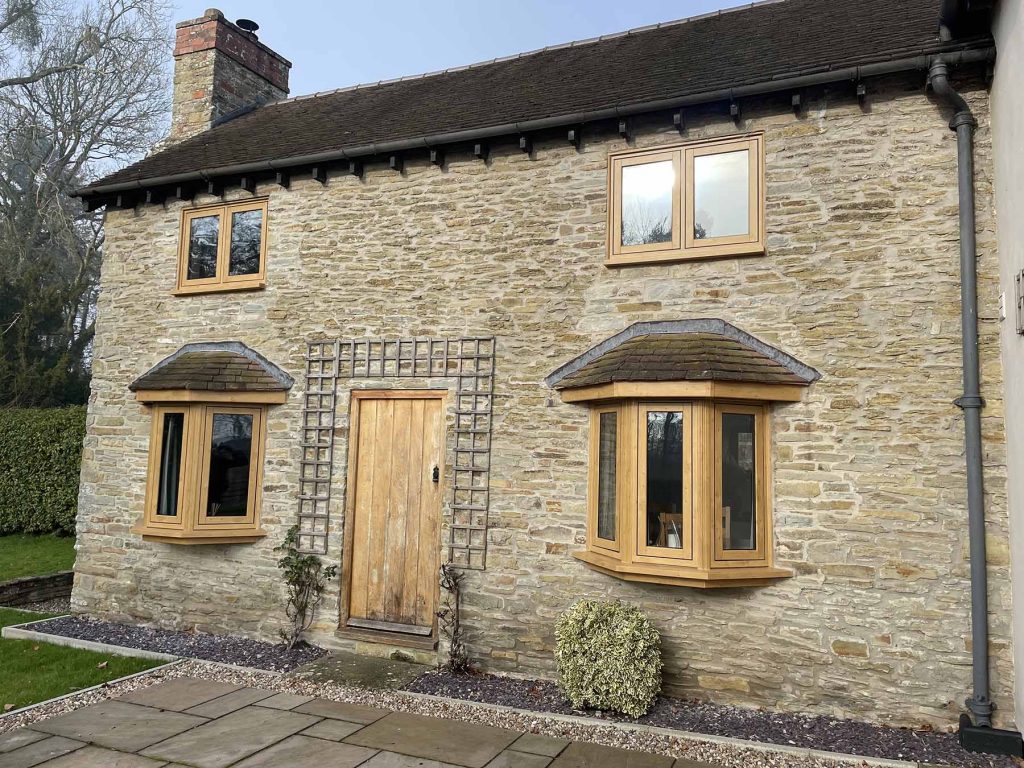
Acceptable Window Styles for Conservation Areas
Like-for-Like Replacements
High‑quality heritage uPVC that authentically replicates timber is frequently approved; however, some councils explicitly discourage uPVC in sensitive streetscapes—so local policy and precedents matter.
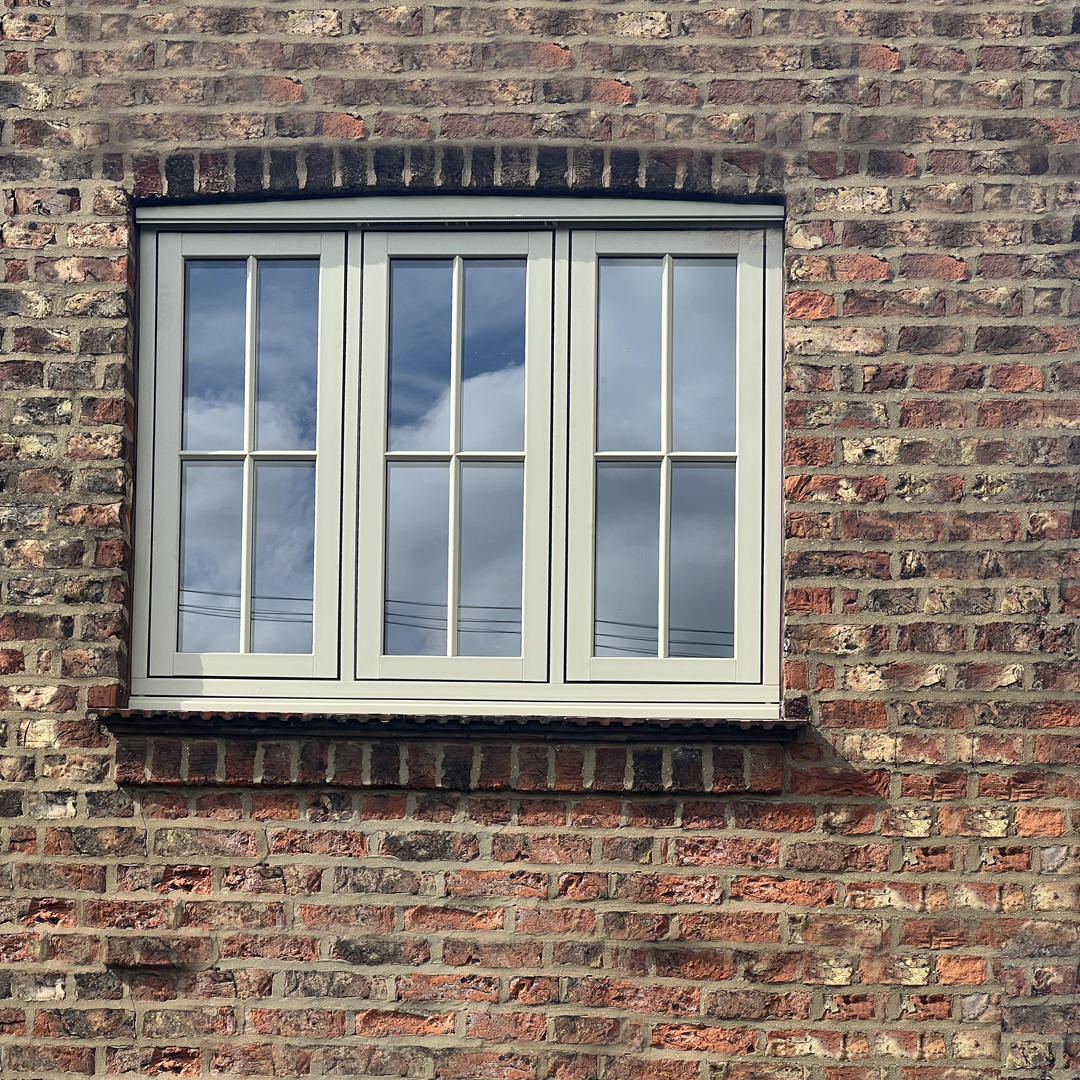
The most straightforward approach is a like-for-like replacement that replicates your original windows’ proportions, design, and visual characteristics. While timber remains the traditional material, high-quality alternatives that maintain an authentic appearance are increasingly accepted by planning authorities.
Heritage-Style Features
Successful conservation area windows typically incorporate:
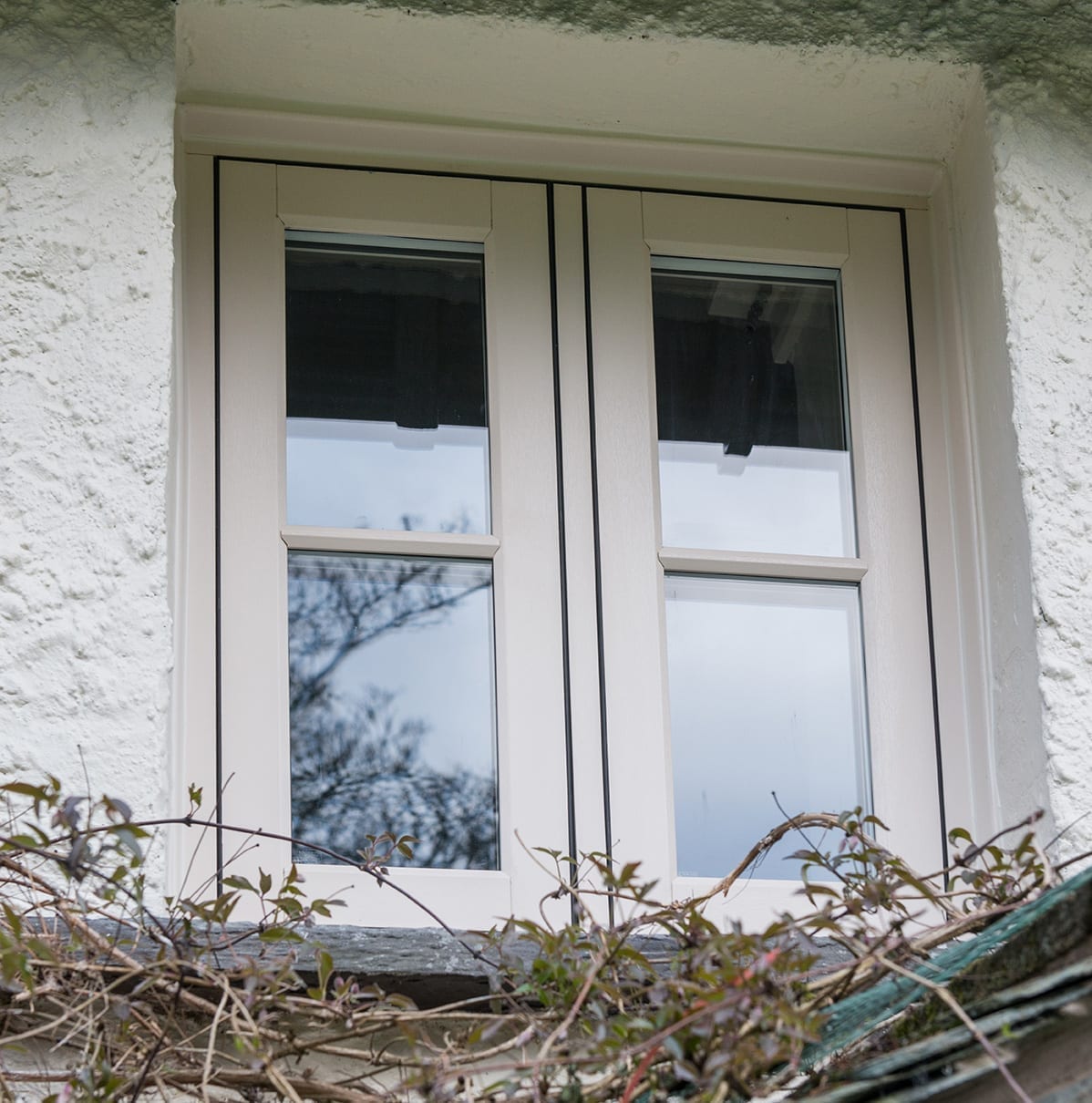
- Flush sash profiles that sit level with the frame
- Traditional proportions and sightlines
- Period-appropriate hardware such as monkey-tail hardware or pear-drop hardware handles
- Authentic glazing bar configurations
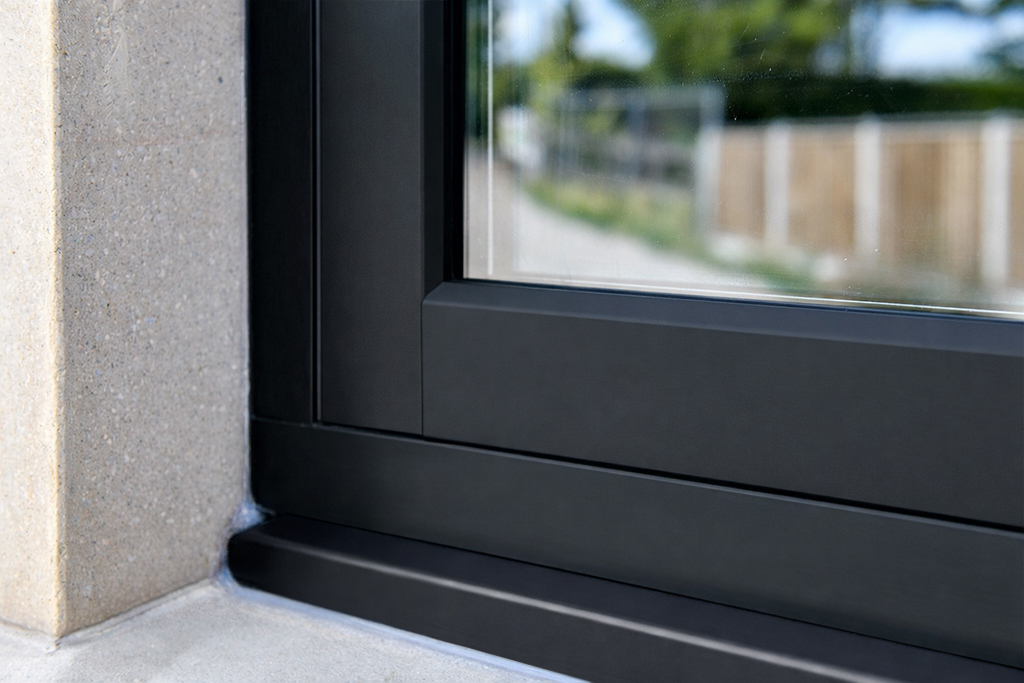
- Appropriate cill details and ventilation solutions
Timberlook Heritage Windows: Conservation Area Solutions
Timberlook specialises in heritage flush sash windows specifically designed for conservation areas and listed buildings. Our windows combine authentic 19th-century styling with modern performance benefits, offering a practical solution for homeowners seeking both conservation compliance and energy efficiency.
Key Features of Timberlook Heritage Windows:
- Flush Sash Design: Profiles sit flush with the frame, replicating traditional timber window construction
- Timberweld® Technology: Mechanical butt joints create authentic mortise and tenon joint appearance
- Concealed Trickle Vents: Modern ventilation requirements met discretely without compromising aesthetics
- Traditional Hardware: Authentic monkey-tail hardware and pear-drop hardwar handle options available
- Slim Sightlines: Maintains period-appropriate proportions and glazing ratios
- Multiple Finishes: Available in standard colours, dual-colour options, and realistic woodgrain effects
Conservation Area Approval Success
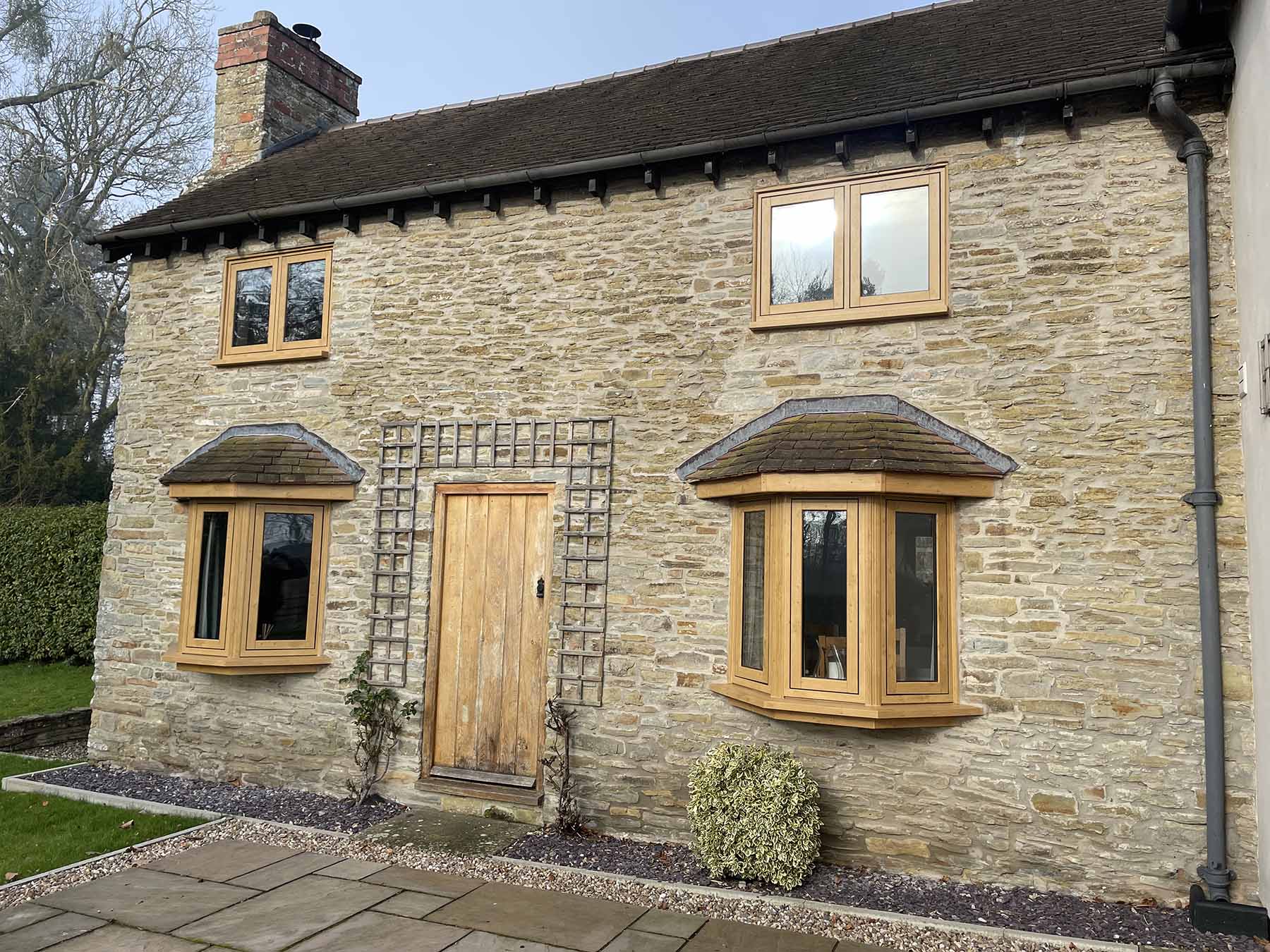
Timberlook windows have successfully gained approval from planning authorities across the UK, including challenging areas like the Cotswolds. Our heritage uPVC windows are designed to satisfy conservation officers while delivering superior thermal performance, security, and low maintenance benefits compared to traditional timber alternatives.
The windows are manufactured to replicate traditional flush casement windows designs, with particular attention paid to details such as cill profiles and ventilation integration. This attention to authentic detailing has resulted in widespread acceptance by local planning authorities seeking to preserve conservation area character.
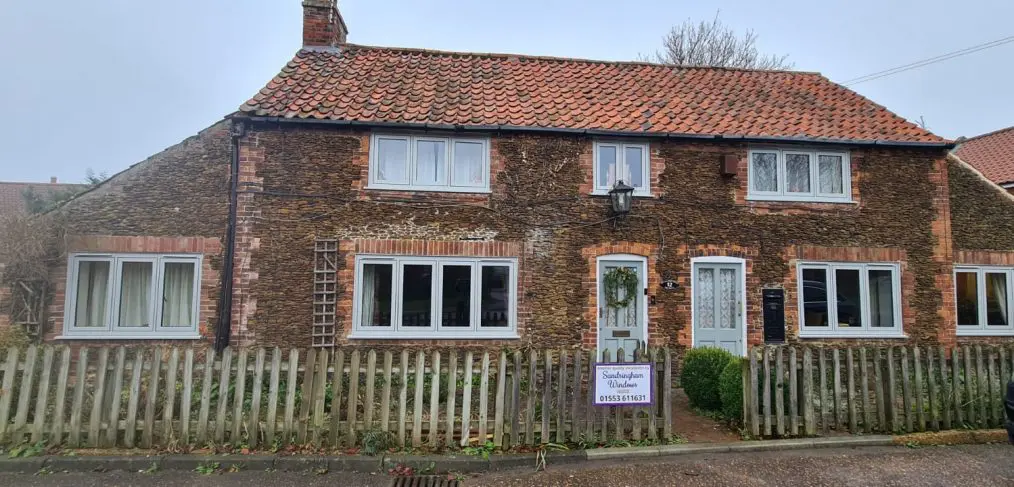
Planning Application Process
Required Documentation
When applying for planning permission for conservation area window replacement, you’ll typically need:
- Detailed drawings showing existing and proposed windows
- Technical specifications demonstrating design authenticity
- Materials and finish samples
- Heritage statement explaining design rationale
- Photographs of existing windows and surrounding properties
Application Timeline
Planning applications for conservation area window replacements typically take 8-12 weeks for determination, though complex cases may require longer. Early consultation with planning officers can help identify potential issues and streamline the process.
Working with Planning Officers
Planning officers assess applications based on their impact on the conservation area’s special character. Providing comprehensive technical information and demonstrating understanding of conservation principles significantly improves approval chances.
Alternative Solutions
If planning permission for double glazing is refused, several alternatives may be acceptable:
Secondary Glazing: Installing additional glazed units behind existing frames preserves exterior appearance while improving thermal performance. This approach is often acceptable where external alterations are restricted.
Timber Window Restoration: Original windows can sometimes be restored and upgraded with draught-proofing, though this approach may not achieve modern thermal performance standards.
Hybrid Solutions: Some projects may combine restoration of front-facing windows with replacement of less visible elevations, balancing conservation requirements with practical needs.
Why Choose Heritage uPVC Over Timber?
While timber remains the traditional choice, heritage uPVC windows like Timberlook offer several advantages:
- Durability: uPVC doesn’t rot, warp, or require regular painting and maintenance
- Energy Efficiency: Superior thermal performance reduces heating costs
- Security: Modern locking systems and reinforced frames enhance home security
- Consistency: Factory-controlled manufacturing ensures consistent quality and finish
- Cost-Effective: Lower initial costs and minimal ongoing maintenance requirements
Frequently Asked Questions
Can I install uPVC windows in a conservation area?
Yes, high-quality heritage uPVC windows designed to replicate traditional timber styling are increasingly accepted by planning authorities when they maintain authentic proportions and detailing.
How long does planning permission take?
Typical timescales are 8-12 weeks, though pre-application advice can help identify issues early and potentially speed up the process.
What happens if I install windows without permission?
Installing windows without required planning permission can result in enforcement action, including requirements to remove unauthorized work and potential prosecution.
Do I need listed building consent as well as planning permission?
If your property is both listed and in a conservation area, you’ll likely need both listed building consent and planning permission.
Can I replace only rear or side windows without permission?
Sometimes—this depends on local policy and whether an Article 4 direction removes permitted development rights for those elevations. Always confirm with your Local Planning Authority.
What if my home is listed as well as in a conservation area?
You’ll usually need Listed Building Consent in addition to any planning permission. Listed status focuses on the building’s special interest, so details, materials, and methods will be scrutinised.
Getting Started with Your Conservation Area Window Project
Replacing windows in a conservation area requires careful planning and expertise, but it doesn’t have to be a compromise between heritage aesthetics and modern performance. Timberlook’s heritage flush sash windows offer an ideal solution, combining authentic styling with contemporary benefits.
Our experienced team understands conservation area requirements and can provide the technical documentation and expertise needed to support your planning application. We work with a nationwide network of specialist installers who have extensive experience with conservation area projects and listed building work.
Before proceeding with any window replacement project in a conservation area, always consult with your Local Planning Authority to understand specific requirements for your property and location.
Costs & Process: What to Expect
Typical process
- Site survey & advice – Assess existing windows, significance, and constraints.
- Design & specification – Agree profiles, glazing bars, cills, hardware, and ventilation details.
- Pre‑application chat – Optional discussion with the Local Planning Authority (helps de‑risk).
- Submit application – Planning application or listed building consent as required.
- Decision period – Typically 8–12 weeks** for planning decisions.
- Manufacture & installation – Order, fabrication, and careful fit to conservation standards.
- Sign‑off & aftercare – Final checks and documentation.
What affects cost
– Frame material (heritage uPVC vs timber), colour/foil finish
– Glazing pattern [flush casement windows, astragal bars, special shapes]
– Cills (e.g., Radlington cill), trickle ventilation solutions, hardware
– Access (scaffolding), property type, region, installer expertise
For accurate pricing, request a tailored quotation and planning‑ready specification.
Related posts