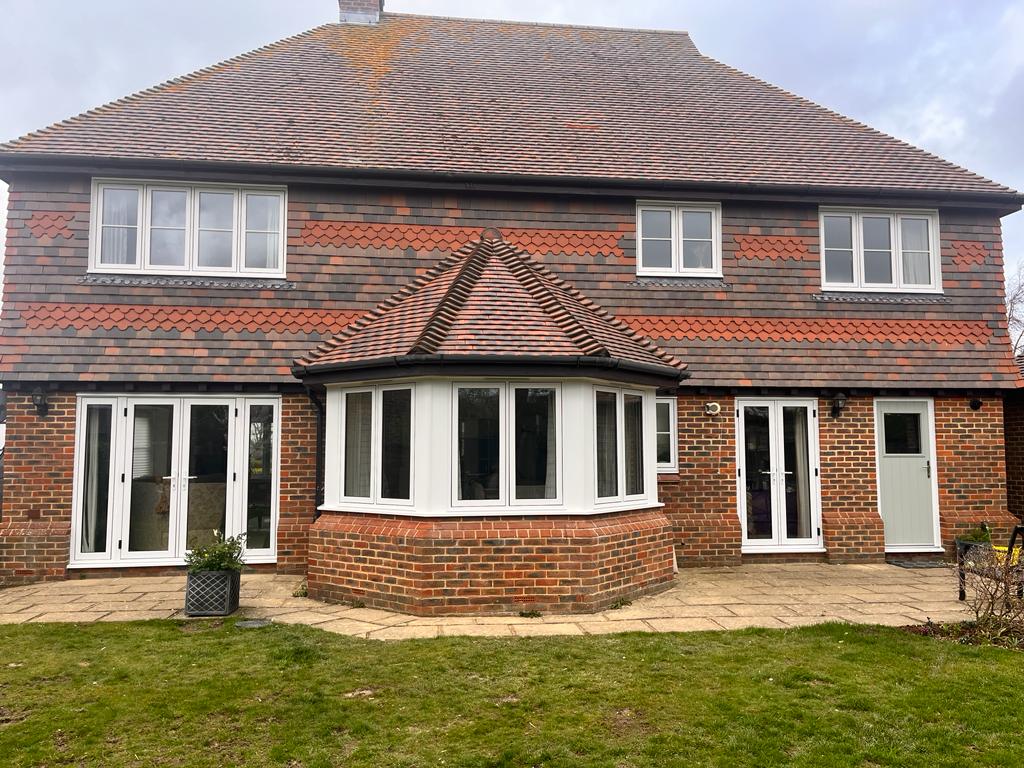
Looking for the best wood effect uPVC windows? Introducing Timberlook!
Traditional timber windows represent one of homeowners’ most conflicted decisions. They provide timeless aesthetic appeal—with warm grain textures and authentic period character that adds genuine value to heritage properties. Yet they demand a costly trade-off: regular repainting every 5-10 years, vulnerability to moisture damage, rot and warping, and maintenance costs that accumulate throughout the window’s 30-50 year lifespan.
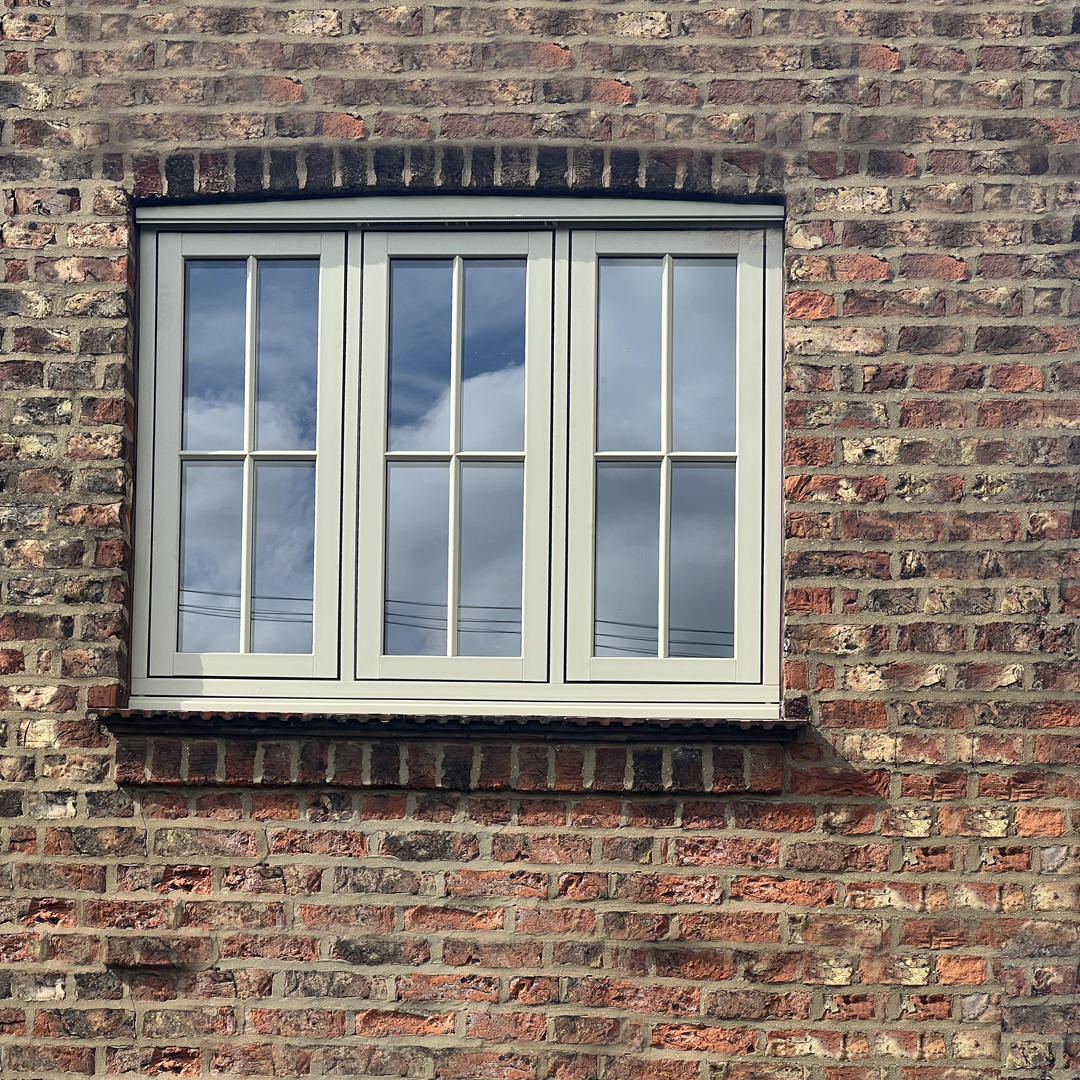
This is where wood effect uPVC windows offer a genuine solution. They replicate the authentic appearance of timber windows—including realistic wood grain textures and subtle color variations—while eliminating the maintenance burden that makes timber impractical for many homeowners. Modern wood effect windows now deliver visual authenticity so convincing that even design professionals require close inspection to identify the difference from genuine timber.
For UK homeowners, wood effect uPVC windows represent the best balance of heritage aesthetics and practical performance. The question isn’t whether to choose them, but how to select the highest quality options available.
What Makes a Wood Effect uPVC Window “Best”?
Quality indicators separate premium wood effect windows from generic alternatives. Here’s what to evaluate:
1. Corner Welding Technology
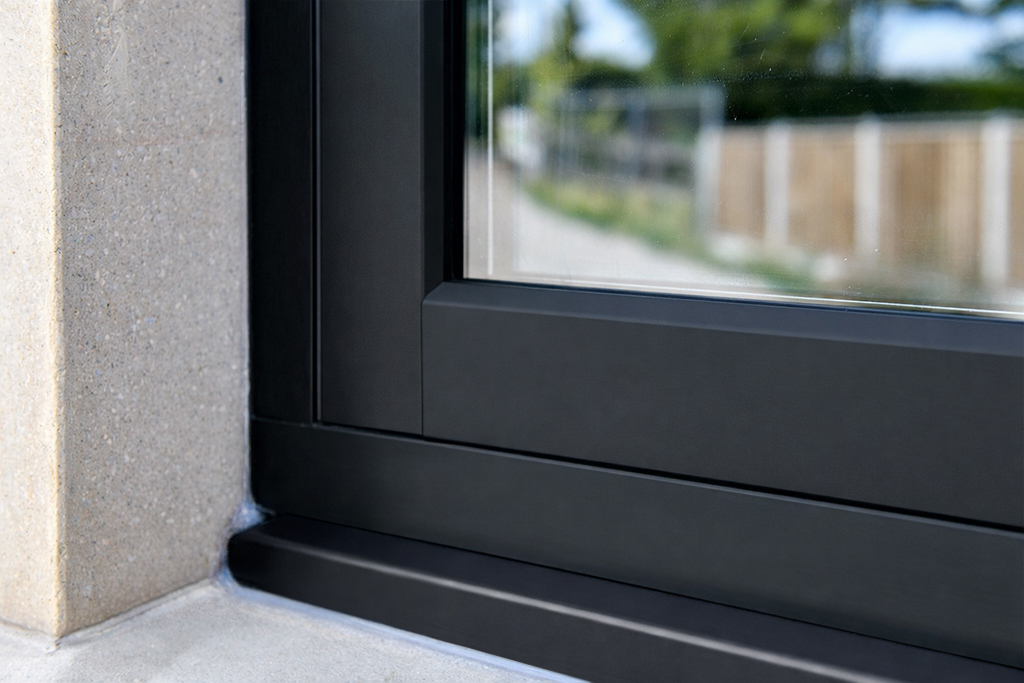
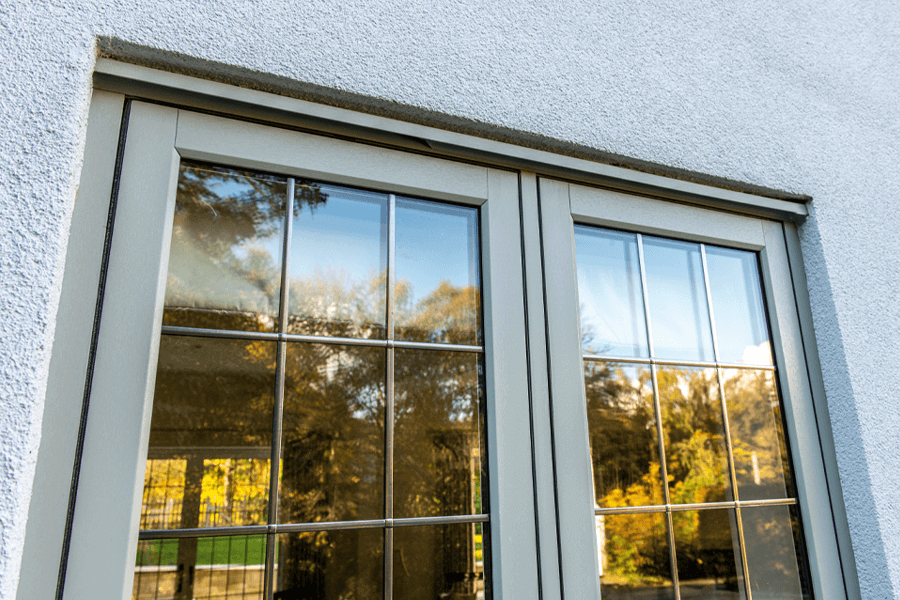
The diagonal weld visible on standard uPVC window corners is the most obvious telltale sign that you’re looking at plastic rather than timber. Premium wood effect windows use advanced welding techniques to eliminate this visual flaw entirely.
Timberlook addresses this through patented Timberweld technology, which creates the appearance of a genuine timber butt joint—the traditional corner joint used in authentic wooden frames. This single detail makes a dramatic difference in authenticity and is a primary quality differentiator.
2. Frame Design and Proportions
High-quality wood effect windows maintain authentic window proportions—meaning the frame-to-glass ratio reflects period design standards rather than modern uPVC defaults. Period-appropriate windows feature:
Correct ratio of frame width to glass area (historically thinner sightlines in timber)
Authentic horizontal and vertical glazing bar proportions matching the property era
Proper depth and projection (flush sash design reduces draughts vs. standard uPVC)
Detailed cill options that capture period features rather than generic modern design
3. Woodgrain Coating Quality
The foil coating that creates the wood effect finish varies significantly in quality. Premium manufacturers use multi-layer laminate systems with:
High-performance PVC base films using copolymer technology
Advanced UV-absorber layers preventing premature fading and discoloration
Quality color pigments ensuring consistent finish throughout product lifespan
Heat-bonded application providing secure adhesion and scratch resistance
Lower-quality alternatives use thinner coatings susceptible to peeling, fading, and visible wear within 8-10 years.
4. Thermal Efficiency Standards
The best wood effect windows achieve A-rated energy efficiency, delivering U-values as low as 1.2—comparable to or better than timber with modern glazing. This requires:
Multi-chambered frame design trapping insulating air layers
High-performance double or triple glazing with low-E coatings
Insulating gas fills (argon or krypton) between glass panes
Thermal breaks preventing cold bridging
A-rated performance means measurable energy bill savings offsetting the initial investment over the window’s 30+ year lifespan.
5. Hardware and Locking Systems
Premium windows include:
Multipoint locking systems for enhanced security
Hardware options reflecting period authenticity (period-appropriate handles and hinges)
Secure internal beading preventing external removal
Modern espagnolette bolts meeting current security standards
Comparing Your Options: Wood Effect uPVC vs. Timber vs. Standard uPVC
| Feature | Wood Effect uPVC | Timber Windows | Standard White uPVC |
|---|---|---|---|
| Maintenance | Zero repainting needed; occasional cleaning | Repaint every 5-10 years | Minimal maintenance |
| Durability | No rot, warp, or fading; 25-35 years lifespan | Rot/warp risk; 60+ years if well-maintained | 15-20 years typical |
| Cost | Mid-range; 60-70% less than timber | Highest initial and ongoing costs | Lowest upfront cost |
| Appearance | Authentic wood grain; indistinguishable from timber | Genuinely timber aesthetic | Modern white finish only |
| Conservation Approval | Yes (authentic finishes approved) | Yes (traditional standard) | Rarely approved |
| Energy Performance | A-rated achievable (U-value 1.2) | Good with modern glazing (expensive) | Varies; often lower rated |
Wood Effect uPVC Advantages: Zero maintenance replaces timber’s painting burden. Durable appearance lasts 25-35 years without fading or deterioration. Costs 60-70% less than authentic timber while providing superior energy efficiency and security. Approved for conservation areas when specifications meet authenticity standards.
Timber Consideration: Only justified if you accept regular maintenance requirements and can afford substantially higher costs. Genuine timber remains the standard for listed buildings requiring original specification restoration.
Standard uPVC Trade-off: Cost savings come at the cost of heritage aesthetic, making it unsuitable for period properties and increasingly rejected by conservation area planners.
Color Options and Property Style Matching
Wood effect windows succeed across diverse property types because color variety allows authentic matching:
Classic timber colors suit traditional properties:
- Rosewood (cherry-red brown) for Victorian/Georgian homes
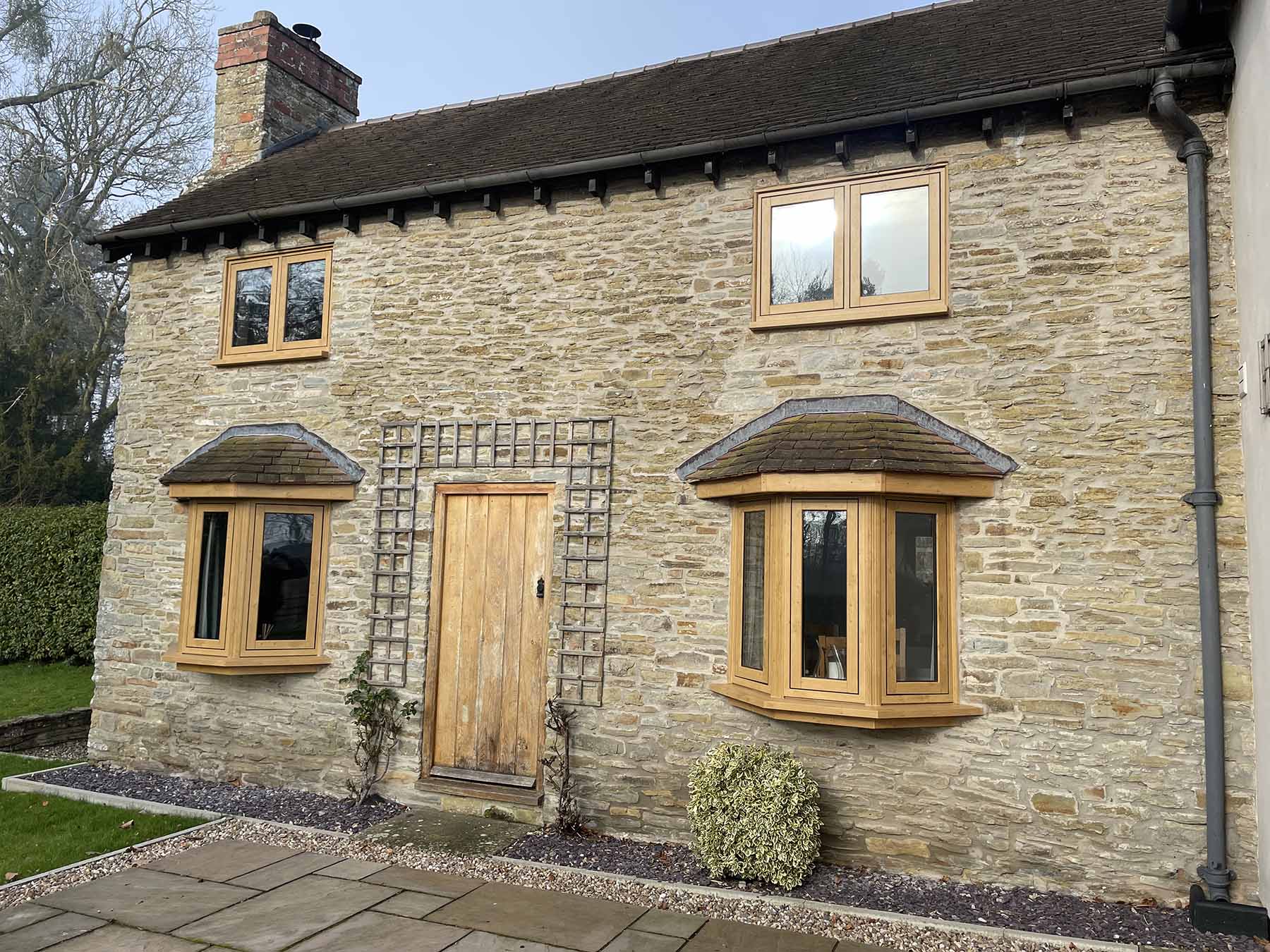
- Irish Oak (medium golden brown) for period cottages
- Golden Oak (lighter honey tone) for rural properties
Contemporary options enable modern applications:
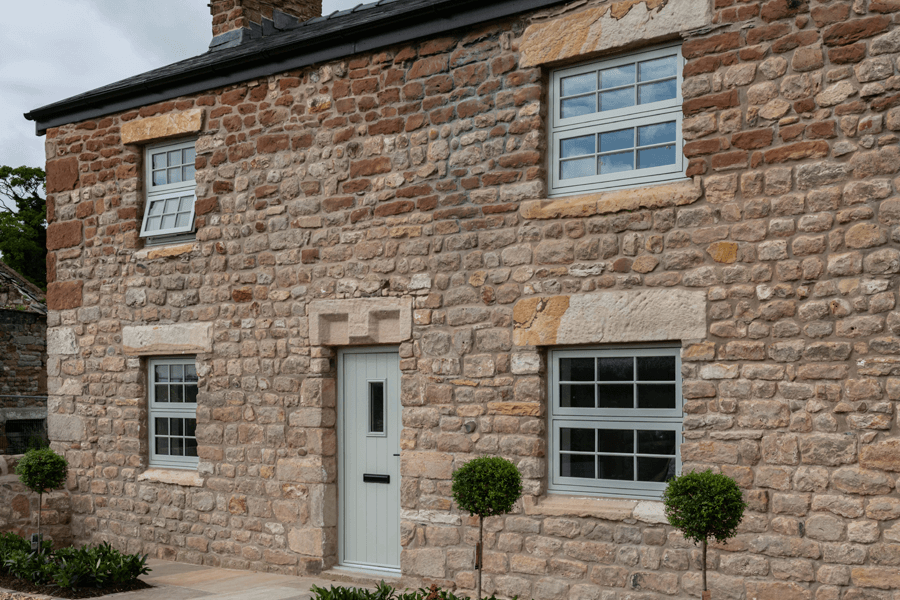
- Pebble Grey for modern interpretations of cottage style
- Chartwell Green for heritage homes with heritage paint schemes
- Anthracite Grey for contemporary homes incorporating heritage features
The choice between colors significantly impacts visual outcome. For conservation area properties and listed buildings, authentic timber-effect finishes are essential—avoiding the modern appearance created by standard white uPVC that planning authorities increasingly reject.
Conservation Area Approval and Heritage Property Application
One of wood effect windows’ greatest advantages is suitability for conservation areas and listed buildings. Because they replicate authentic timber appearance, planning authorities approve them where standard uPVC remains prohibited.
This approval applies specifically to genuine timber-effect windows with:
- Authentic frame proportions (not modern uPVC defaults)
- Period-appropriate glazing bars and sightlines
- Realistic wood grain finishes (not plastic appearance)
- Heritage-style hardware options
Generic uPVC windows—even wood-effect variants from lower-tier manufacturers—often fail planning scrutiny due to visible modern proportions or inadequate authenticity.
Timberlook windows achieve this approval standard through Timberweld technology and attention to proportion detail—critical for homeowners in England’s extensive conservation areas.
Energy Efficiency and Real-World Cost Savings
Modern wood effect windows deliver measurable energy savings. A-rated windows with U-values as low as 1.2 perform comparably to expensive triple-glazed timber alternatives while costing significantly less.
For a typical 3-bedroom home, replacing old windows with A-rated wood effect alternatives can reduce heating costs by 10-15% and lower overall carbon footprint—particularly in properties currently fitted with older single or basic double-glazed windows.
These savings accumulate over the window’s 30+ year lifespan, effectively offsetting the premium paid for wood effect finishes over standard white uPVC within 10-15 years for many properties.
Modern Homes: Beyond Period Properties
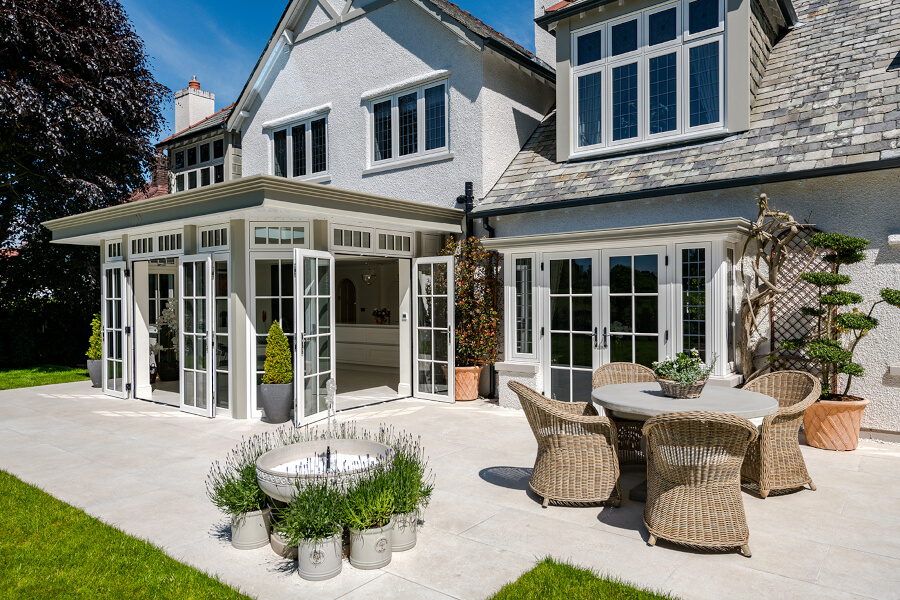
Wood effect windows are increasingly popular in contemporary properties—particularly in rural areas, heritage villages, or properties designed with traditional influences. The authentic aesthetic works alongside modern architecture when implemented thoughtfully:
- New builds in conservation-sensitive areas benefit from authentic proportions
- Extensions to period homes achieve consistent visual continuity
- Rural modern homes incorporate traditional charm without compromising performance
- Contemporary cottages blend heritage character with current efficiency standards
The versatility makes wood effect windows a smart choice even for non-period properties prioritising aesthetic quality and long-term durability.
How to Evaluate and Select Premium Options
Selecting the best wood effect uPVC windows requires evaluating:
1. Corner Technology: Does the corner design eliminate the standard diagonal weld? Look for authentic butt joint appearance (timber-style).
2. Authenticity Assessment: Do proportions match period standards? Are sightlines appropriately narrow (timber-like) rather than wide (modern uPVC)? Do glazing bars reflect the property era?
3. Energy Performance: Is A-rating achieved? What is the U-value specification? Will performance meet conservation area technical standards?
4. Coating Quality: Does the wood grain finish appear natural with subtle color variation? Can the manufacturer confirm multi-layer laminate construction?
5. Color Accuracy: Does the finish match your property’s intended aesthetic? Is color consistency guaranteed against fading?
6. Hardware and Security: Are multipoint locking systems standard? Can period-appropriate hardware be specified? Do internal beads prevent external removal?
7. Installer Certification: Are installers approved/certified for the specific window system? What warranties cover installation and coating integrity?
Professional consultation ensures your investment delivers both aesthetic authenticity and long-term performance—particularly critical for conservation area applications or listed building restoration.
There’s no denying that our uPVC wood effect windows are among the most authentic on the market. If you would like to see for yourself what makes Timberlook windows so sought-after, please get in touch with our dedicated sales team by emailing sales@timberlook.com or calling us on 01253 888 222.
A member of our team will be more than happy to answer any questions you may have and advise you on bringing the beauty of wood effect windows to your home.
Related posts
- Timberlook’s Sister Brand: Introducing Decorio Steel Look Windows
- Planning Your 2026 Window Replacement: A Complete Timeline Guide
- Concealed Trickle Vents: How Timberlook Maintains Heritage Aesthetics While Meeting Building Regulations
- New Timberlook Flush French Door
- Heritage Windows and Doors: Timeless Style with Modern Efficiency